Best headboard materials for a beach house bedroom
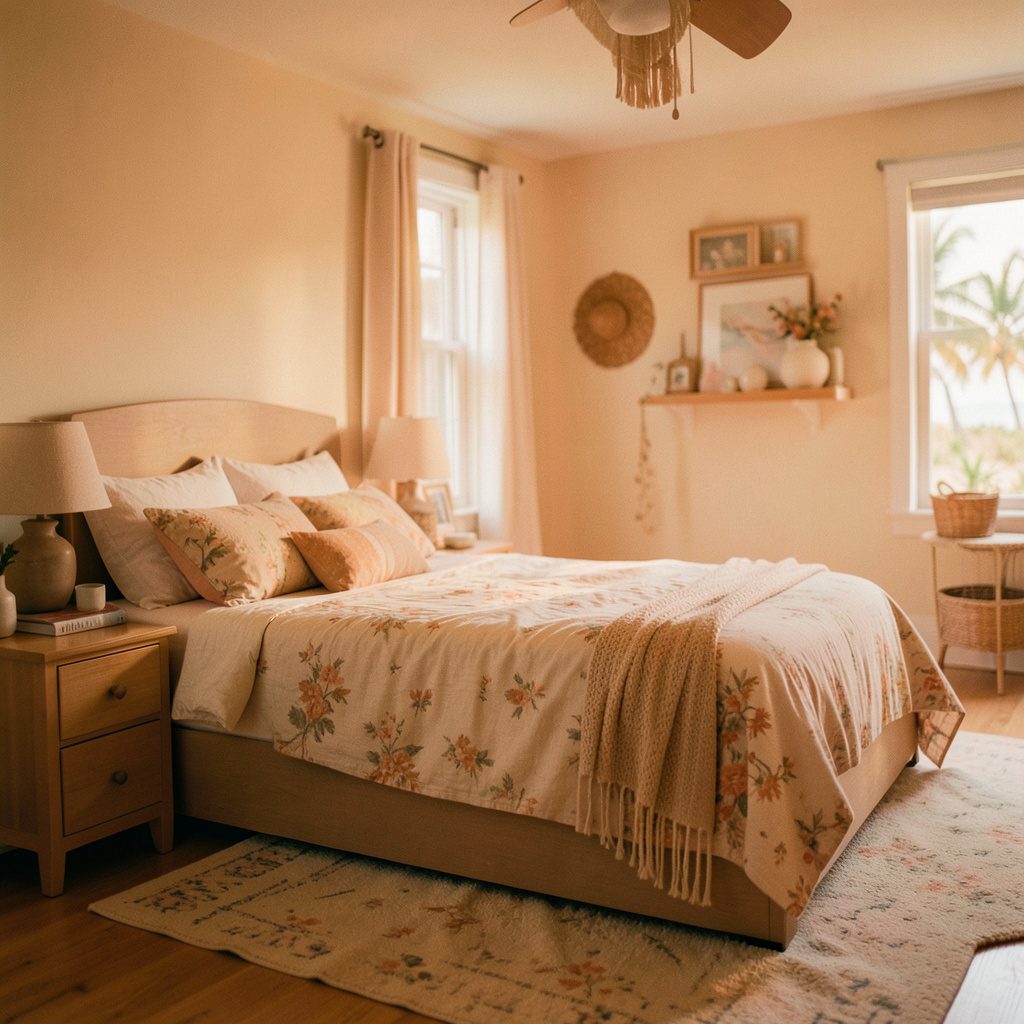
A beach house bedroom needs a headboard that can handle salt, sunlight and humid air while preserving the relaxed, coastal character of the room. Timber, woven fibres, painted panels and outdoor-grade upholstery can all work, but their performance depends on the materials, finishes and placement.
Local climate should guide the choice. Gold Coast and Sunshine Coast properties may experience humid summers and salt-laden breezes, while Sydney’s coastal suburbs often receive strong winter sun. Perth has a drier climate but intense UV exposure, and Darwin homes face a wetter, monsoonal environment.
Many Australian beach houses serve as both everyday homes and holiday retreats. Beds are made up after ocean swims, windows remain open for cross-ventilation and damp towels may be dropped into the room. A practical headboard should tolerate that informal use without looking as though it belongs in a commercial hotel.
Material selection also influences maintenance and resale value. Australian furniture markets offer everything from affordable pine and oak veneer to premium teak, jarrah and custom-made panels, so it is worth comparing durability over several coastal seasons rather than judging appearance alone.
Timber that tolerates salt and sun
Teak, jarrah and spotted gum are strong choices for coastal furniture because they are naturally durable and handle changing humidity better than many decorative timbers. Teak develops a silver-grey patina when exposed to weather, while spotted gum offers a warmer colour and visible grain. Premium teak can be costly, but locally made solid-timber headboards often provide better longevity than flat-pack alternatives.
Finish matters as much as the species. Penetrating oils can enhance grain, while water-based polyurethane or exterior-rated hardwax oil creates a more protective barrier. Apply additional coats to faces, edges and any areas cut for power outlets. Standard MDF and particleboard are less suitable near open windows because moisture can swell their exposed edges.
Solid boards move slightly as temperatures change, so secure larger panels to studs or suitable battens rather than relying only on adhesive. Wipe salt residue away promptly, especially from lighter finishes. In northern areas, termites can be a greater risk than salt, so durable or properly treated timber and regular inspections are sensible precautions.
Rattan, cane and woven fibres
Rattan and cane headboards introduce texture and visual lightness without making a bedroom feel heavy. Their open weave reflects the casual style common to beach interiors and works particularly well with white linen, pale timber and simple outdoor furniture. Good-quality frames can tolerate normal humidity, but prolonged rain, sprinkler exposure and strong direct sun eventually make natural fibres brittle.
Seagrass, jute and sisal create a more textured, organic look. They suit shells, woven baskets and natural fibre rugs, although colour can fade and loose fibres may collect around the bed. Vacuum with a soft brush and avoid using steam, which can shrink or distort the weave.
Synthetic resin and polyethylene weaves are useful where a natural finish is less important. UV-stabilised versions tolerate sunshine and damp conditions more easily and are easier to hose down. Check that the frame, not just the visible weave, is corrosion-resistant; inexpensive metal fittings can rust in salty air.
Painted panels and coastal composites
Painted timber panels create a clean focal point that suits contemporary beach houses. Horizontal boards make a low, relaxed headboard, while vertical slats can draw the eye upwards in a high room. Soft white, pale grey, weathered blue and muted sea-green colours reflect light and complement both rendered walls and coastal vegetation.
Marine-grade plywood is useful for shaped or panelled designs, provided every cut edge is sealed. Exterior plywood can still delaminate if water reaches untreated edges. For full-wall installations, check that the wall is flat and secure, and allow ventilation behind freestanding panels where condensation is likely.
Powder-coated aluminium and marine-grade stainless steel offer a sharper alternative. Dark finishes create contrast but absorb heat in direct afternoon sun, while lighter colours remain cooler to the touch. Grade 316 stainless steel is a sensible seaside specification because it resists chloride corrosion better than ordinary stainless steel.
Upholstery that can handle humid rooms
Solution-dyed acrylic designed for outdoor furniture is a practical upholstery choice for a frequently used beach house bedroom. The colour is formed within the fibres, so it fades more slowly than many conventional textiles. Pair it with quick-dry foam and a removable cover to make cleaning straightforward.
Marine-grade vinyl resists spills, salt and sunscreen and can be wiped down in minutes. It is especially useful for children’s rooms or properties near the ocean. However, vinyl can feel hot against the skin and may soften or stick slightly in humid conditions, so breathable backing and good ventilation remain important.
Linen and cotton create the softest appearance but absorb moisture readily. They work best in a room with filtered sunlight, functioning windows and a reliable dehumidifier. Wool is naturally resilient and regulates temperature, yet it needs protection from dampness. Avoid natural upholstery where the headboard receives direct sea spray or sits against a poorly insulated exterior wall.
Match the headboard to the whole room
Begin with the bed’s position and the room’s strongest light. A west-facing wall may need a darker or more robust finish, while a shaded wall can support lighter timber or delicate fibres. Check the finished height visually from the doorway, and leave enough clearance for bedside lamps, ceiling fans and reading light without creating an obstructed path around the bed.
Scale is also important. A narrow panel can float behind a king-size bed, while a very broad wall of timber may overwhelm a compact room. If the bedroom belongs to an open-plan coastal apartment, preserve circulation between the sleeping and living zones. The same clearances considered in this kitchen island sizing guide can help prevent furniture from narrowing a shared space.
The National Construction Code, relevant Australian Standards and product instructions may affect alterations that interfere with windows, escape routes, alarms or heaters. AS 1428 provides access and circulation principles, while gas and electric appliances must retain their specified safety clearances. A tall installation should be checked with a designer or building practitioner, particularly in a rental or a home with unusual ceiling geometry.
For an apartment, allow for delivery access, lift dimensions and the possibility of moving the bed during cleaning. Semi-custom Australian makers can usually adapt standard slats, rails and upholstered panels to fit a small room without producing a full-width installation. Secure tall headboards to the wall so they cannot shift when used as a backrest.
Explore Joebolte’s curated bedroom galleries, compare the textures and practical details, and bring the shortlisted material samples into the room’s strongest light before choosing your coastal headboard.