Stylish media console ideas that hide cables and clutter
A media wall can feel finished or like an exposed technology cupboard. The best media console ideas combine closed storage, careful cable routing and a few decorative moments, so the television stays focused while chargers, game cases and consoles disappear. A well-proportioned unit also gives smaller Australian homes useful storage without looking heavy.
Begin with the room’s habits rather than a showroom finish. Map where people sit, which devices stay connected and how often the screen is viewed, then choose doors, drawers or open niches that suit that routine. The result should be easy to use on a busy Saturday morning and equally tidy when guests arrive.
Choose a console with concealed cable management
A closed-front cabinet creates a calm appearance while concealing power strips, loose leads and streaming boxes. The top can still hold a lamp or framed print without competing with the screen. Avoid a very deep unit if the television is narrow, since extra depth often becomes a place for orphaned cables.
Look for a solid rear panel with cable exit slots, a removable cable tray and adjustable shelf supports. These features let cords travel from each device towards a single power point behind the cabinet rather than sagging across the floor. A full-width ventilation opening can improve airflow while keeping the mechanism out of sight.
Match the console’s width to the television and the wall, not simply to the available floor area. A cabinet slightly wider than the screen often looks balanced, whereas an oversized unit can dominate a modest room. Check door swing, skirting boards and nearby doors before ordering, especially in older Australian homes with narrow rooms.
Plan the layout around your television and devices
Position the screen at a comfortable seated height and centre it on the cabinet unless the architecture dictates otherwise. In a family room, leave enough clear surface for a soundbar, console or turntable. Group smaller electronics on a dedicated shelf and keep everyday controls within reach.
For soundbars and gaming consoles, allow space around the vents and avoid pushing equipment tightly into a recess. Braided leads or cables threaded through sleeves can disappear behind a slim cover. This creates a tidier background while keeping screens, controllers and game cases accessible.
Decide which devices need permanent power and which operate only during a film night. A labelled power board fixed securely inside the cabinet reduces clutter, but it must remain accessible for switching on and off. Follow the manufacturer’s setup instructions and avoid overloading power points or boards.
Use closed storage to create a calmer room
Adjustable shelves are the most useful feature for hidden media storage. Create one zone for consoles and controllers, another for discs or downloads, and a lower compartment for games and accessories. Boxes with handles keep small items contained while making them easy to retrieve.
Push-to-open doors create the cleanest front, particularly in contemporary apartments, while knobs or leather tabs suit timber cabinets and coastal rooms. A soft-close mechanism can reduce pinched fingers and noisy closing in family homes. Ventilated doors protect electronics without making them visually obvious.
Keep frequently used items within easy reach and reserve the highest shelves for occasional pieces. Displaying a single plant, book or small speaker adds character without turning the cabinet into an open cupboard. The surrounding wall should remain simple so the concealed storage can do its visual work.
Bring warmth and texture to the room
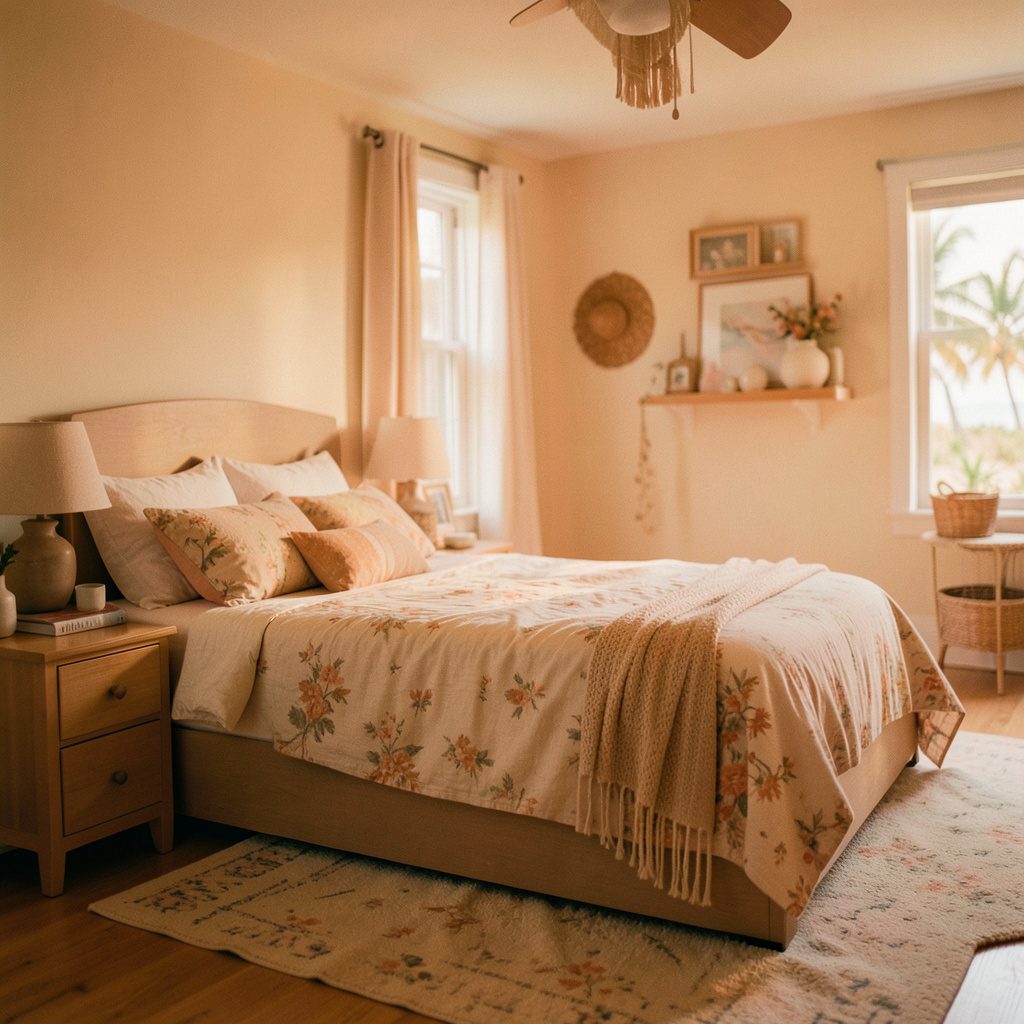
Timber softens the hard surfaces common in modern Australian interiors. Pale oak, warm walnut and timber veneer suit neutral walls, while a painted cabinet can complement a beach-inspired room with linen, woven baskets and watery blue accents. Natural grain adds interest even when every cable is hidden. Choose matte black pulls to echo a black television frame, brass hardware to match lamps, and rounded edges for a softer appearance beside the sofa.
Layer styling above and beside the console rather than crowding its surface. A framed artwork, table lamp and shallow bowl can create balance while the television remains the focal point. Joebolte’s room galleries offer coastal, modern and relaxed country combinations to explore before selecting a finish.
Make the console work in an Australian home
Sydney apartments often have compact living areas, open balconies and strong natural light. A shallow wall-hung or low-profile console preserves floor space, while pale timber keeps the unit from feeling heavy against a bright wall. Keep furnishings clear of the main walkway and route leads away from sliding balcony doors. Melbourne terraces may place the television in a combined lounge and dining space, so the console should coordinate with two seating zones and support comfortable viewing during cool winters.
Brisbane’s humid climate makes ventilation particularly important, especially when deeper cabinets provide valuable storage. Perth’s west-facing rooms can receive intense afternoon sun and heat, so cabinet vents must remain unobstructed and direct sunlight should stay away from devices. Australian-standard power boards, three-pin plugs and differing power-point heights also influence the layout, so measure the wall before buying.
Local retailers such as Bunnings, JB Hi-Fi and IKEA Australia offer useful examples of cable trays, shelving and console dimensions. These are helpful references rather than substitutes for checking the available space, door clearance and electrical requirements in your own home.
Add practical lighting and ventilation
A low warm lamp on one end of the console creates evening ambience without adding another screen. An LED strip behind the television can provide soft bias lighting, provided it produces even light rather than visible hotspots. Hide its transformer in a rear compartment and keep the strip clear of ventilation openings.
Heat is the enemy of electronics. Leave the specified clearance around televisions and amplifiers, and use open-backed or ventilated sections for high-output gaming consoles. Remove dust from vents every few months and avoid storing papers directly above warm equipment.
If ants or cockroaches are active near the television unit, advice from pest control specialists can help identify entry points before the cabinet is sealed. Keep crumbs and food out, remove cardboard nesting material and wipe spills promptly, especially during humid Brisbane summers.
Keep cables organised between refreshes
Label both ends of each lead with the same short name, such as HDMI one, soundbar or console, using removable tags. Keep a small packet of spare labelled cables and reusable ties inside the cabinet. A quick check after each technology purchase prevents mystery cords from accumulating behind the rear panel.
Bundle signal leads loosely and avoid tightly coiling mains cords under heavy pressure. Check that heat-producing devices are not warming the cabinet walls, and never run an overloaded power board. Australian households often connect several entertainment devices, so distributing them across suitable outlets can improve safety and reduce unexpected shutdowns.
Review the arrangement at the start of each season. Summer may suit a clearer surface and lighter styling, while winter can justify a warmer lamp and heavier nearby textiles. Moving the console is rarely necessary; adjusting the storage, cable routes and visible accessories keeps the room current.
Explore Joebolte’s curated galleries for media walls, comfortable furniture and room ideas suited to Australian spaces. Save the layouts that complement your home, then take measurements for the cabinet, television and available wall area to your local supplier.
Choose one concealed-storage approach, gather the cable accessories before moving equipment and begin with a clear place for every device.