Quiet spiral stairs: carpet choices for Australian homes
Spiral staircase carpet options for noise reduction work best when the covering, underlay and fixing method form a complete system. A well-fitted runner softens each footfall and can reduce impact noise travelling through timber treads, yet it cannot silence an open stairwell on its own. The central column, suspended landing and hard surfaces may continue to transmit sound.
Start with where the noise goes. In a two-storey home, footsteps might reach a bedroom below; in an apartment, they can carry toward a shared corridor or neighbouring unit. The practical choice must also cope with steep treads, tight turns, everyday cleaning and the character of the room.
Choose a fibre and pile for real footfall
Low-pile carpet is usually the safest and most serviceable choice on a spiral stair. Dense nylon or polypropylene resists abrasion, spills and frequent use, while a quality wool blend feels warmer underfoot. High-pile rugs can catch a heel or stair edge, bunch at the central pole and create a trip hazard.
Look for a stair-rated carpet with a firm backing, strong colourfastness and a surface that can be cleaned without specialist solvents. Polypropylene is widely available and budget-friendly in the Australian market; nylon handles heavy traffic well; wool suits period homes but needs careful stain control. Compare product labels for fibre content, wear ratings and cleaning guidance.
Pile direction matters. Run the pile in the direction of travel so fibres lean forward rather than presenting a raised edge to someone climbing. For visual ideas, browse modern stair runners, then bring shortlisted colours and textures home as samples.
Measure the stair before choosing the runner
Spiral stairs need a template, not a standard rectangle. Record the radius, total rise, number of treads, tread angles and the width at the narrowest and widest points. Check the landing, handrail and central column, including whether a door or built-in storage opens onto the stair.
Many runners are made from wedge-shaped or individually cut pieces. Draw or photograph each tread if the stair turns sharply, and mark the finished edge rather than the structural edge. Include an extra allowance for trimming and pattern matching, especially if the runner must wrap around the column or meet a square landing.
Measure the finished height of the covering too. A thick carpet plus underlay can change how a tread sits against the next riser. The nosing should remain visible, secure and free of ridges. A flooring specialist can turn measurements and clear photographs into a cutting plan, reducing gaps that collect dirt or let feet slip.
Reduce vibration at the tread connection
Noise reduction depends on interrupting the path from a foot to the structure. Carpet absorbs some impact, while a suitable resilient underlay cushions the tread and reduces the transfer of vibration. Thin foam often feels economical but may compress quickly; dense fibre underlay or an acoustic underlay approved for the stair assembly can perform better over time.
Where a builder permits it, isolation pads fitted between timber treads and their supports may further reduce structure-borne sound. They must be compatible with fixings, allow the intended movement of the stair and remain clear of the central support. This is specialist work rather than a quick DIY addition, especially in apartment buildings.
Set expectations about what carpet can achieve. It is most effective against repeated footfall noise, not bass from a television or voices between floors. Curtains, closed doors and soft furnishings can help with airborne sound, while acoustic insulation or floating construction needs design advice from an acoustic professional.
Balance acoustics with the room's character
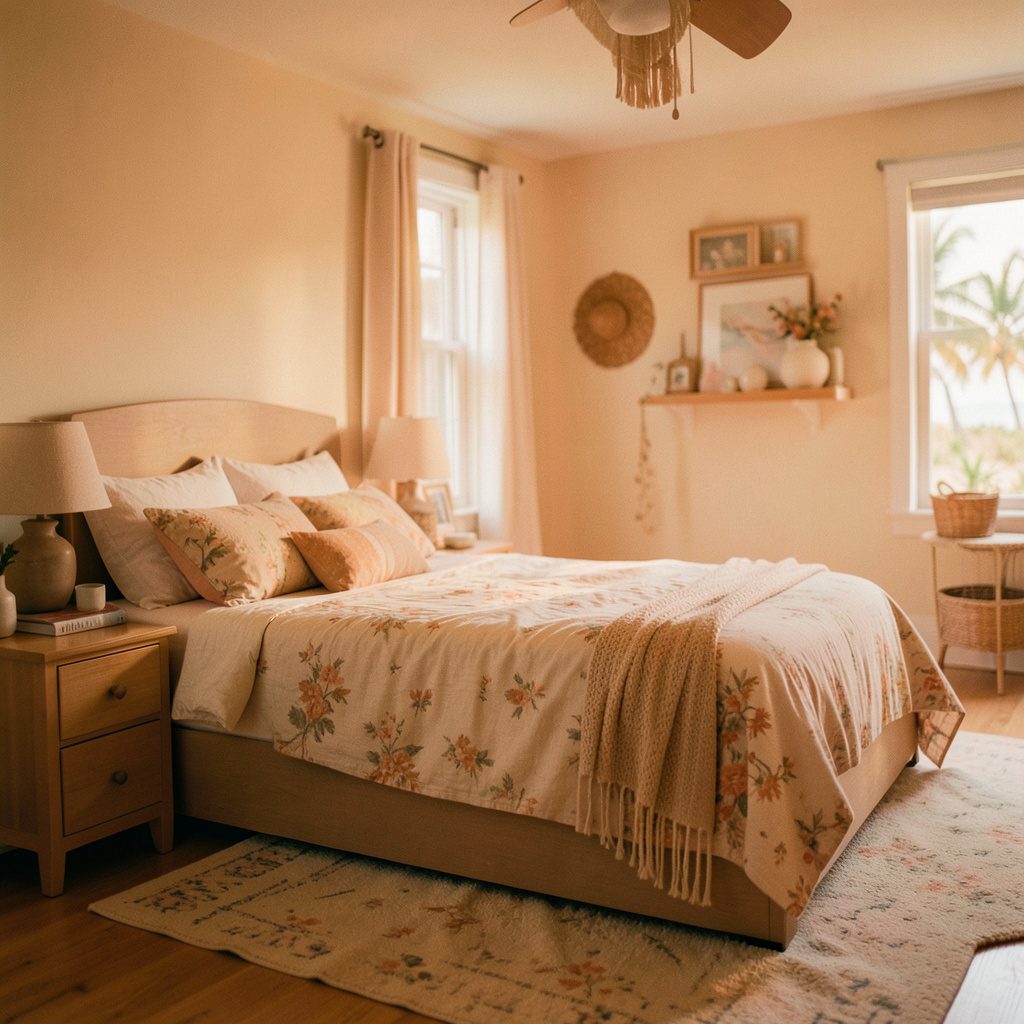
The best runner suits the stair's shape and the surrounding finishes. Warm oatmeal and sand tones soften pale timber; charcoal, navy or green can define the edge of white or stone treads. In coastal bedrooms, a muted blue-grey may complement linen without making the stair feel heavy.
Use contrast carefully. A darker band at the nosing can improve visual orientation, but an abrupt change in pile height may create a ridge. The same principle applies to lighting: good illumination helps people judge each tread, while a dim feature light at the landing makes a new surface easier to navigate.
For wider context, room galleries on home design inspiration can help you test a palette against floors, walls and furniture. Take photographs of the stair in daylight and at night, since Australian homes can shift dramatically in colour with strong sun, shaded hallways and evening lamps.
Account for Australian buildings, climate and rules
Local housing shapes the problem. Sydney, Melbourne, Adelaide and Perth terraces often place a steep spiral stair in a narrow central void, where a bulky runner can feel intrusive. Brisbane and Gold Coast apartments frequently have compact shared cores, and footsteps may be heard near a neighbour's bedroom wall or an access corridor.
Climate also influences material selection. Humid air and coastal salt can affect adhesives, backing and odours, while a hot Brisbane home needs a runner that dries quickly after cleaning. Melbourne's seasonal swings make indoor-outdoor transition spaces common, so the covering must tolerate grit tracked in from the garden.
The current National Construction Code, applied with state and territory variations, sets minimum requirements for stair geometry, guarding and handrails. Carpet cannot make an undersized or unsafe stair compliant. Apartment renovations may also need body corporate approval under the owners corporation's bylaws, and state environmental authorities publish guidance on nuisance noise. Confirm these requirements before altering finishes or structure.
Maintain performance between deep cleans
Vacuum the runner regularly, especially along the nosing and central edge where grit can become an abrasive layer. Promptly blot spills rather than scrubbing them into the fibres, and follow the carpet manufacturer's cleaning instructions. Choose a low-pile finish if children, pets or frequent visitors make spills common.
Check fixings, seams and anti-slip properties every few months. A runner that shifts underfoot can amplify noise and create a safety issue, while compressed underlay loses much of its acoustic benefit. Replace damaged sections or tired underlay rather than adding a thicker layer on top, which can make the stair uneven.
For rental properties and busy family homes, durability matters as much as initial sound performance. Ask for spare material, a documented cleaning plan and details on whether the underlay can be renewed without replacing the entire runner. Good maintenance preserves the quiet, secure surface for years.
Make the final choice with a practical trial
Begin with a small material sample and a cardboard tread template. Compare at least two tightly woven options underfoot, checking grip, comfort and the way the edge sits against the riser. Then match the sample to the stair's colour, nearby flooring and the amount of light it receives.
Build the quote around the complete installation: custom cutting, suitable underlay, edge finishing, anti-slip details and any approved tread isolation. Ask the installer how each component affects safety, cleaning and noise reduction, and confirm that the finished stair still meets the required dimensions and clearances.
Measure your spiral stair, take clear photographs and a tread template to a local flooring specialist, and request a custom quote for a securely fitted runner with acoustic underlay. Test the shortlisted material beside the existing treads before ordering, then install it with non-slip fixings that preserve the visible nosing and safe stair geometry.