Ocean-themed window boxes for a coastal escape
A sea-facing window can become a living postcard with the right combination of plants, colour and texture. These ocean-themed window box ideas bring coastal character to the smallest spaces, from a bright Sydney apartment to a holiday cottage on the Sunshine Coast.
Choose a planting palette that echoes surf, dunes and salt air without making the display look like a novelty. A weathered timber box filled with silver foliage, soft purple flowers and a few trailing stems creates an easy coastal vibe, while good drainage and secure fixing keep the arrangement attractive through changing weather.
Match the box to the window and weather
Start by identifying how much sun the window receives and where prevailing winds come from. A north-facing box in Brisbane or central New South Wales may become extremely hot, while an exposed southern window in Melbourne can stay cold and windy. Coastal gardens around Byron Bay and the Gold Coast also experience intense humidity and summer storms, so a stable, well-drained box is essential.
Timber offers a relaxed, nautical look, while metal containers suit a sharper coastal palette. Marine-grade stainless steel fasteners resist rust better than ordinary screws near the sea. Whatever material you choose, check that the box has several unobstructed drainage holes and a free-draining potting mix designed for container plants.
Window boxes must be fixed rather than balanced precariously on a ledge. Brackets attached to solid masonry are more reliable than lightweight suction cups, particularly during strong winds. Keep the planting below the sill where possible so leaves do not rub against the opening, and ensure the box does not obstruct ventilation, security screens or an escape route.
Plant for salt, wind and Australian sun
Salt-tolerant plants are the foundation of a successful seaside display. Coastal rosemary, or Westringia, brings narrow green leaves and small white flowers to the arrangement. Australian saltbush provides soft grey foliage, pigface offers fleshy trailing leaves and vivid flowers, and Australian sea lavender produces airy purple flower spikes. These species are widely available at local garden centres, often in standard 140-millimetre pots that are easy to combine.
For a looser look, mix evergreen foliage with seasonal flowers such as white petunias, lavender-blue lobelia or compact coral-coloured geraniums. The flowers soften the structural foliage while adding movement as they spill over the rim. On a sheltered balcony, herbs such as rosemary, thyme and oregano can provide a similar Mediterranean coastal effect and remain useful in the kitchen.
Plant vigorous or trailing varieties at the edges, compact flowering plants through the middle and one upright feature near the centre. This creates depth without requiring a large box. Australian native plants can be sensitive to rich compost and wet feet, so use a light container mix and avoid placing water-loving species beside succulents. Coastal rosemary and saltbush also appreciate occasional trimming, which keeps them compact and encourages fresh growth.
Layer coastal colour and texture
A convincing coastal window box relies on contrast. Silver-green leaves beside deep green foliage create the movement of waves, while white and sky-blue flowers suggest open water. Add a restrained accent of coral, shell pink or soft yellow to prevent the display from becoming too cool and monochrome.
Texture is just as important as colour. Fine-leaved plants, trailing stems and broad succulent foliage provide three distinct shapes, while smooth pebbles, natural rope or a timber tray add a tactile base. A few sea-glass-inspired pieces in pale aqua or frosted white can complete the theme without relying on masses of decorative shells.
For an authentic Australian touch, look for weathered timber at salvage yards, roadside stalls or second-hand shops. A repurposed crate can become a convincing window box when lined with heavy-duty plastic and fitted with drainage holes. Reused materials suit the relaxed coastal look, but the finished container still needs a secure mount and enough strength to hold wet soil.
Make compact windows work harder
Small balconies and apartments can still enjoy a strong coastal display. A narrow box between 300 and 500 millimetres wide is enough for a repeating pattern of foliage and flowers. Consider a slim planter beneath the window, a wall-mounted box that leaves the floor clear or a tiered arrangement with smaller pots above larger ones.
Choose lightweight components for high balconies. Coco coir, perlite and a well-controlled potting mix reduce weight compared with dense garden soil, while self-watering planters sold at Bunnings and specialist nurseries can conserve water. They are particularly useful in western Australia, where Perth balconies may face intense sun and dry coastal air.
Renters should confirm the installation method with the landlord before drilling or clamping anything to the building. In a body corporate or strata complex, fixed balcony boxes may require approval because of falling-object risks and common-property rules. A lightweight removable arrangement is easier to manage, although it should still be secured against gusts rather than left free to slide.
Watering, feeding and seasonal care
Watering is the part of a seaside window box that needs the closest attention. Coastal humidity can make foliage look moist while the root ball remains dry, especially when plants sit against a hot wall. Check the soil each morning rather than following a fixed schedule, and water deeply until excess drains from the base. Early-morning watering gives leaves time to dry before the sun rises.
Install a simple drip line or micro-sprinkler beneath the foliage if the box receives regular sun. A timer connected to a rainwater tank can provide consistent moisture during dry periods, while a moisture-responsive watering system is useful where rainfall is unpredictable. In Tasmania and southern Victoria, allow more air around the roots during wet winters to reduce rot.
Feed container plants with a slow-release fertiliser at the start of the growing season, following the directions on the product. Too much nutrition produces lush leaves with fewer flowers and may make coastal natives less compact. Remove spent flowers, trim straggling stems and replace any plant that fails to recover after a storm or prolonged heat. Regular care keeps the box neat and prevents roots from becoming crowded.
Bring the coastal character into the room
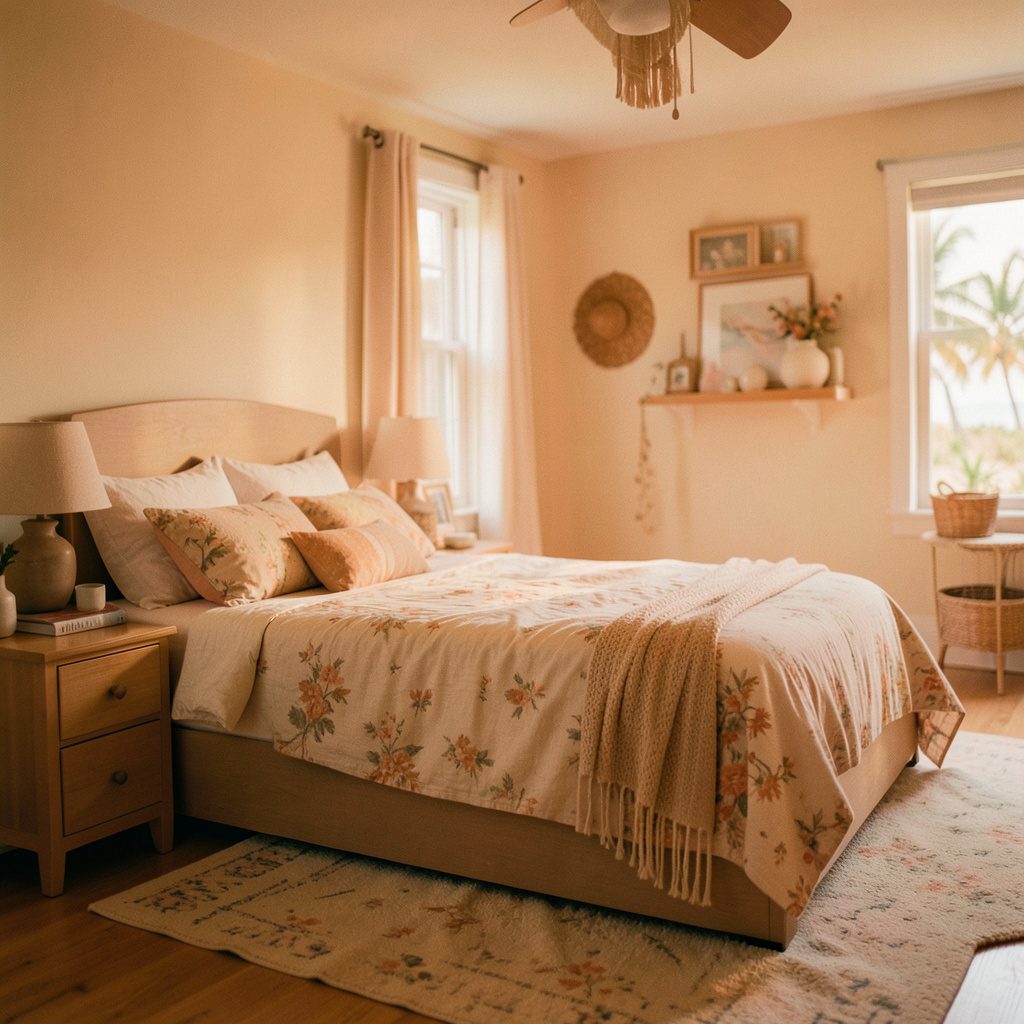
Treat the window box as part of the wider interior rather than an isolated outdoor feature. Continue its colours inside with white or oatmeal linen, pale timber, woven baskets and simple ceramics. Light blue, sea-green or coral accessories can echo the planting without repeating the theme in every item.
A coastal window also benefits from a relaxed focal point on the sill. One sculptural branch, a smooth stone or a small vase of seasonal flowers is enough. This echoes the natural forms of dunes and driftwood while leaving the window box as the main display. Curtains that move gently in the breeze add another layer of texture and help the room feel connected to the outdoors.
Explore Joebolte’s coastal galleries for bedroom, kitchen and apartment inspiration, then create a window display that reflects your own climate and view. Save the planting combinations that suit your space and bring a refreshing coastal welcome home.