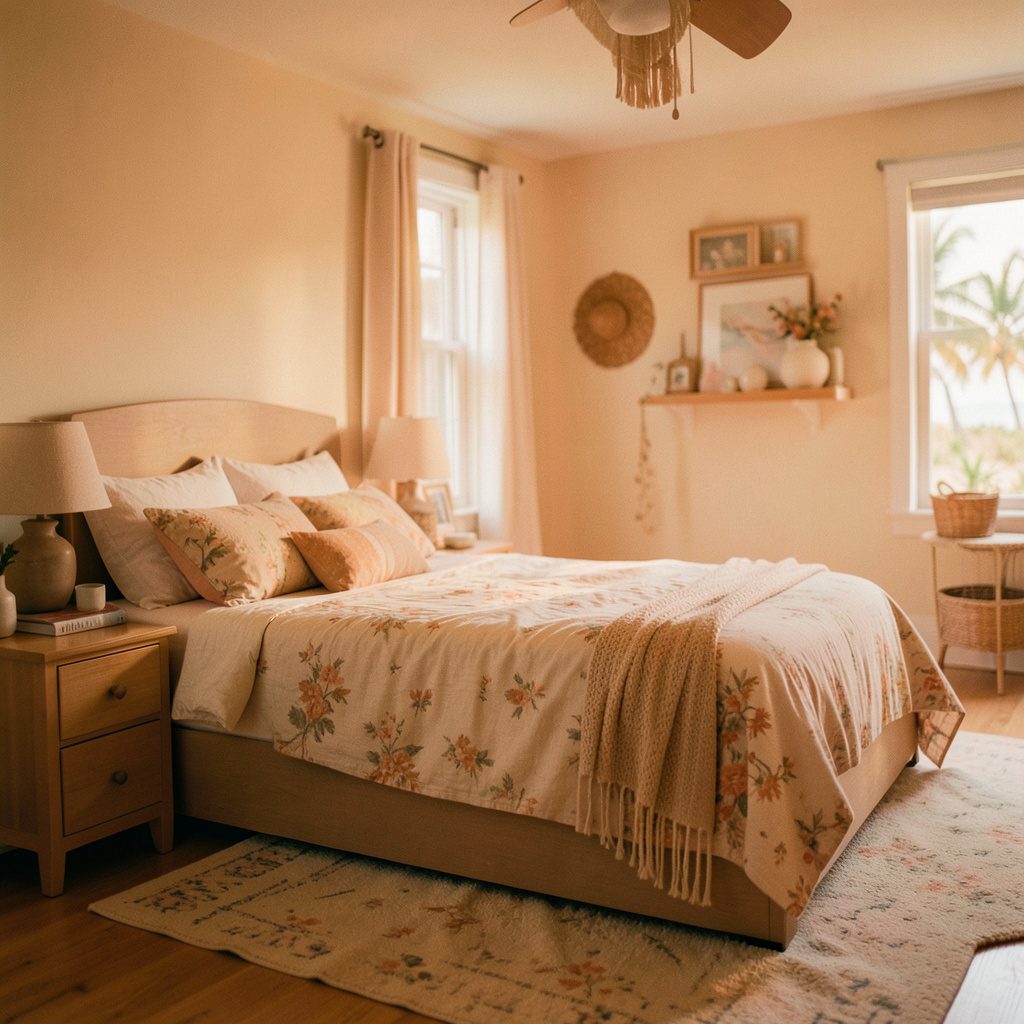
Ocean-inspired window treatments for soft light and privacy
Ocean-inspired window treatments can turn a bright window into a calm focal point while still shielding the street. Sea-coloured sheers, pale woven shades and softly rippled curtains temper glare and give a room a relaxed coastal character. The strongest schemes feel spacious rather than themed, using light, texture and movement instead of novelty shells or nautical ornaments.
Soft light and privacy work best as layers. A sheer curtain can obscure a close view, while a separate screen handles neighbours, early sun or evening glare. This is especially useful in Australian homes, where sliding doors, broad panes and open-plan living areas make window dressing both a visual feature and a practical cooling tool.
Begin with orientation, window proportions and daily habits, then choose the treatment. A west-facing Sydney family room, a compact Melbourne apartment and a humid Brisbane bedroom may need very different combinations of filtered fabric, block-out lining and privacy screens. The same coastal palette can adapt without forcing identical products into every space.
Map the light before choosing the shade
Map the sun before selecting a shade. North-facing rooms can receive steady midday light, west-facing glazing often becomes intense in the afternoon, and east-facing bedrooms may feel brightest around breakfast. Notice shadows, reflected glare and the view from neighbouring buildings at several times of day rather than judging a window at one convenient hour.
Adjustments can be surprisingly small. A high-mounted sheer may soften a high street-facing window, while a deeper recess can reduce summer sun. Sydney's western suburbs often favour external shading or robust block-out layers, whereas coastal-facing rooms can use a lighter screen to filter brightness without losing the outlook. In Perth, UV performance and colourfastness deserve particular attention.
Layer sheers, screens and block-out
A sheer curtain should not be expected to provide complete daytime privacy. Hang it across the full recess, then add a pleated or rippled curtain for the exposed side, or combine a sheer with a top-down, bottom-up blind. This lets lower sections remain open for ventilation and a clear view while the upper section closes off overlooking windows.
Many Australian windows are wide enough to need more than one curtain, so plan the headings as a continuous band and use a slim track. Separate layers can also absorb sound, reduce heat gain and help define an open-plan room. For bedrooms, a lined block-out curtain behind the sheer offers darkness without making the decor feel heavy.
Keep the coastal mood quiet and tactile
Natural-looking fibres bring texture without introducing loud pattern. Linen blends, cotton voile and woven bamboo shades soften hard aluminium frames, while a washable finish suits households that are busy and practical. In humid climates, choose fabric with good colourfastness and a mildew-resistant finish, and confirm that woven screens can withstand Australian sun.
The palette should usually remain quieter than the view: chalk, sand, salt white, eucalyptus, faded blue and deep navy. A soft blue or sea-glass sheer can echo the horizon, while an oatmeal blind keeps the room warm. Ripple-fold headings create an even ripple that resembles moving water, but the effect depends on correct fullness and precise measurements rather than fabric alone.
Design privacy around Australian homes
Street-facing windows in Sydney and Melbourne often sit close to pavements, traffic or apartment balconies, so privacy may need to be stronger than sheer fabric alone. A daytime roller blind, bottom-up shade or layered curtain can block an oblique view while preserving daylight. For directly visible windows, consider a light-filtering cellular shade with enough openness to keep the room bright.
In open-plan spaces, curtains can divide zones without a wall. Run a ceiling track parallel to the window or place it at an angle to shield a dining area from the lounge. Apartment dwellers should check building by-laws before fixing tracks or drilling into walls. Ground-floor bedrooms and studies may benefit from a top-down blind because it lowers the exposed section without darkening the whole room.
Fit the treatment to the window
Most Australian homes use aluminium-framed windows, sliding panels and standard ceiling heights, so the frame and opening deserve as much attention as the fabric. Measure the inside reveal, the drop, the stack of a blind and the full width of the opening. Wide sliding doors need a curtain that clears the track and hardware when open, while casements require enough fullness for folds to remain stable.
Climate should shape the specification. Brisbane's humidity calls for breathable, quick-drying textiles and careful ventilation around condensation; coastal homes need finishes that tolerate salt air; and Perth's strong sun can fade weak dyes. External awnings, shutters and deep eaves reduce heat before it reaches the glass, making a lighter indoor treatment more comfortable for much of the year.
Refine hardware, care and safety
Hardware and placement can make inexpensive fabric look considered. Extend the curtain track close to the ceiling, conceal the mechanism with a simple pelmet and choose matte white, timber, aged brass or brushed metal finishes to suit the room. Decorative rods work well with gathered sheers, whereas wave-fold tracks suit smooth coastal panels and a more architectural treatment.
Check safety before installing anything with a cord, chain or loop. Products sold in Australia should comply with the relevant Australian Standard, including AS/NZS 2848 for curtain and blind cords and chains, and current state or territory consumer-safety rules can vary. The local market includes ready-made options at Bunnings and Domayne as well as custom online suppliers, so compare cord safety, UV ratings, cleaning instructions and warranty before ordering.
Make one window the room's anchor
Pull the scheme together by choosing the view you want to preserve, the glare you need to soften and the privacy you need at eye level. Repeat one coastal colour and one natural texture across the room rather than matching every item. A coordinated blind, curtain and cushion will feel calmer than three unrelated statements of style.
For a broader view of how window finishes can sit within a complete interior, browse coastal decorating ideas and build from the room's existing furniture, flooring and paint. Test fabric samples in the morning and evening, checking both the colour in daylight and the degree of privacy from outside.
Choose one window this week, add the right layer, and let softer light change the atmosphere of the room.