Layering Textures for a Cozy Living Room Look
A comfortable living room rarely depends on a single feature piece. The most inviting spaces build warmth gradually through tactile upholstery, woven surfaces, soft lighting, timber, ceramics and relaxed layers that make a room feel lived-in without becoming cluttered. This approach works especially well when you want a lounge room that feels polished during the day and welcoming after dark.
Australian homes bring their own design considerations. Strong sunlight, open-plan layouts, hard flooring and changing temperatures can make a room feel visually stark or physically cool. With the right mix of materials, even a compact Melbourne apartment, a breezy Brisbane home or a coastal house near Perth can gain softness, depth and everyday comfort.
Start With A Balanced Material Palette
Choose three or four main texture families before adding decorative details. A practical combination might include a linen or cotton sofa, a wool-blend rug, timber furniture and a woven basket. These materials feel distinct when placed together, yet their natural finishes create a calm relationship rather than visual noise.
Colour helps the textures work as a unified scheme. Warm whites, sand, clay, olive, caramel and muted blue suit many Australian interiors and connect easily with native greenery or outdoor views. If the room already has patterned curtains or a bold artwork, keep the tactile layers within a quieter colour range.
A useful rule is to vary the finish as well as the shade. A nubby cushion beside smooth leather, or a matte ceramic lamp near a polished timber table, gives the eye small changes to explore. This is what makes a neutral lounge feel considered rather than flat.
Build Comfort From The Floor Up
The floor is the foundation of a cosy living room, particularly in homes with timber, concrete or large-format tiles. A generously sized rug softens sound, adds warmth underfoot and visually gathers the sofa and occasional chairs into one conversation area. Ideally, at least the front legs of the main seating should sit on the rug.
Wool, cotton, jute and recycled fibres each create a different mood. Wool offers resilience and insulation, while a flatweave cotton rug is lighter and easier to move in a rental. Jute brings a beach-house quality that suits homes along the Gold Coast or the Mornington Peninsula, although it should be kept away from persistently damp areas.
Layering a smaller patterned rug over a larger plain rug can add character, but the proportions need restraint. Keep one design simple and let the second provide interest through a subtle stripe, faded motif or irregular handwoven texture.
Mix Upholstery Without Losing Cohesion
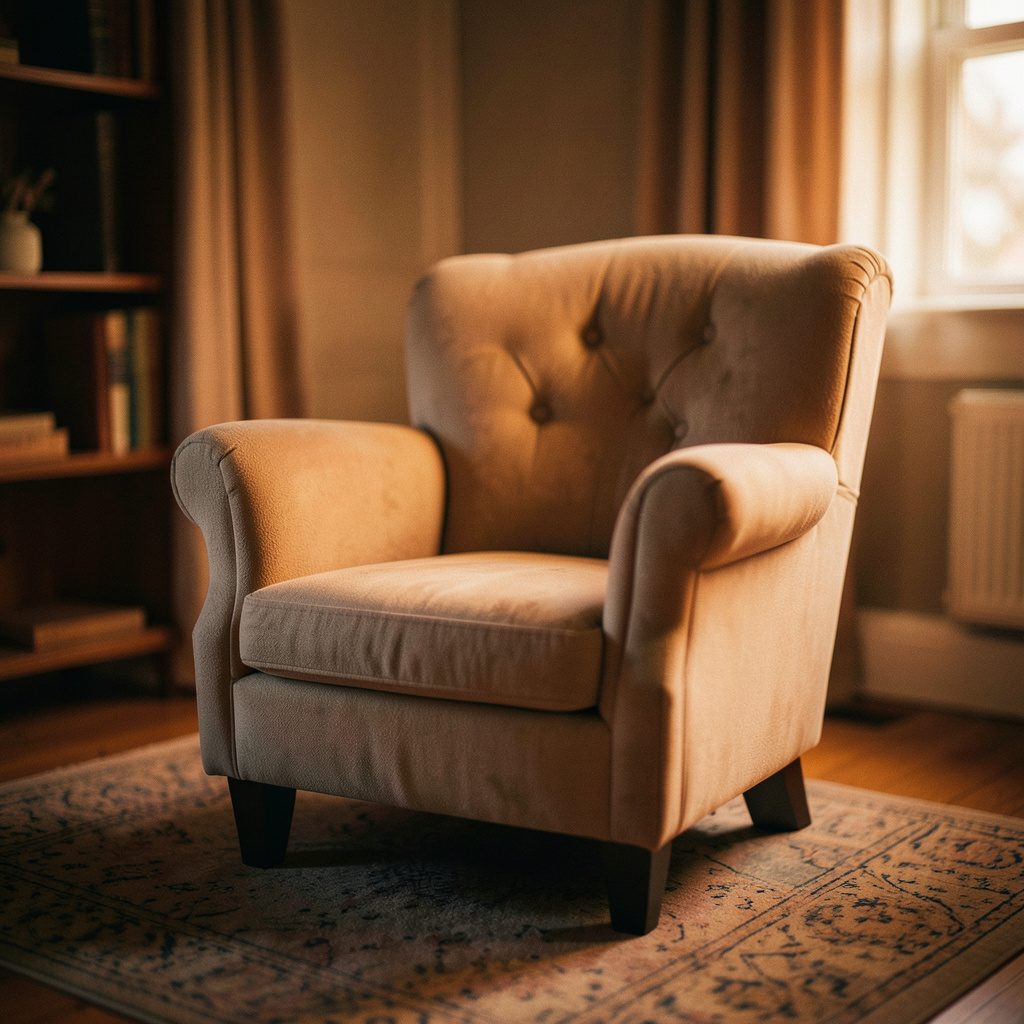
A sofa establishes the largest textural surface in the room, so its fabric deserves careful thought. Linen has a relaxed, breathable appearance that suits warm climates, while brushed cotton, boucle and soft wool create a more enveloping winter feel. Performance fabrics are useful for households with children, pets or frequent entertaining.
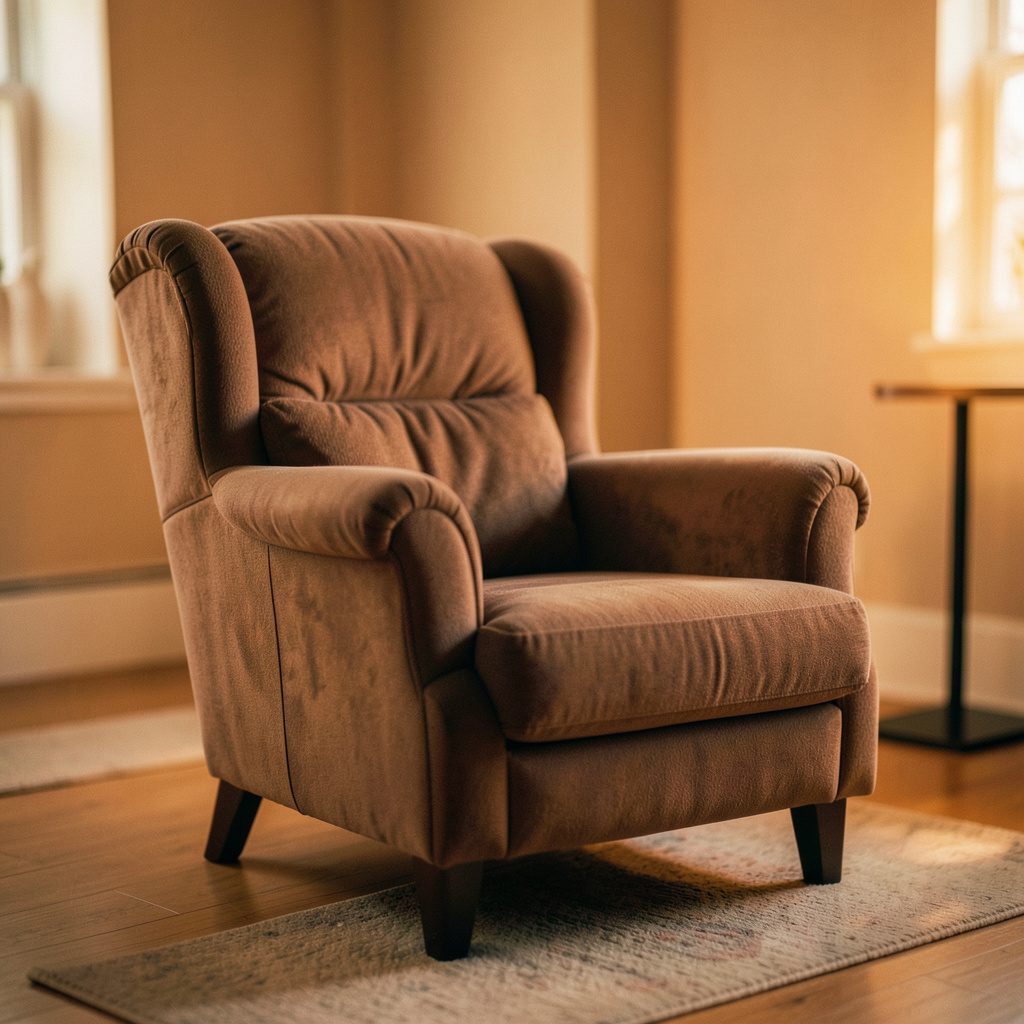
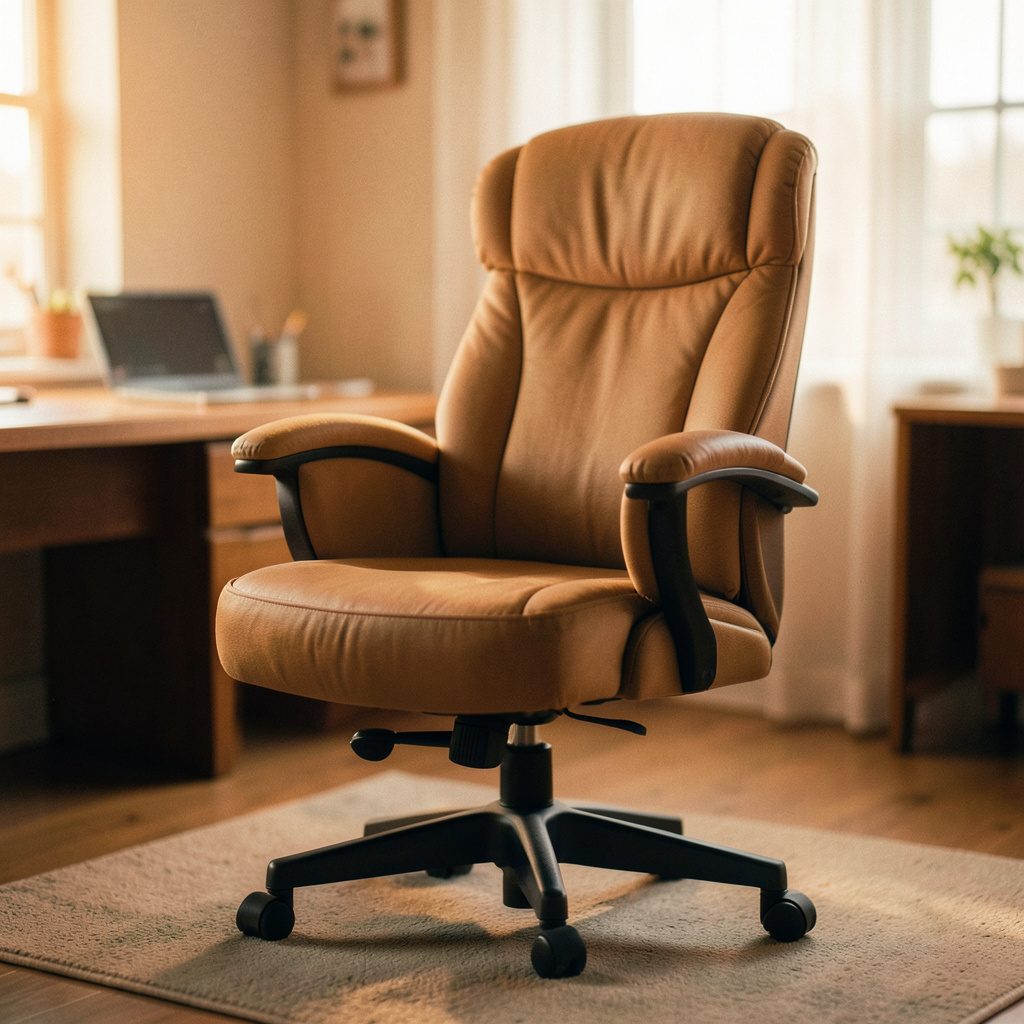
The armchair does not need to match the sofa exactly. Instead, connect the pieces through one shared element, such as a timber frame, a similar undertone or a repeated cushion colour. A caramel leather chair can sit comfortably beside a pale fabric sofa when a woven throw or earthy artwork links the two.
Cushions should be arranged in varied sizes and finishes rather than placed in a perfectly uniform row. Combine a larger plain cushion, a smaller tactile cushion and one patterned design. In Australian homes, removable covers are especially practical because they can be washed after dusty summer days or open-window weekends.
Use Throws And Cushions As Flexible Layers
Soft furnishings are the easiest way to refresh the room as the seasons change. A lightweight cotton throw works through warmer months, while knitted wool, brushed fleece or quilted textiles bring extra insulation in cooler regions such as Canberra, Hobart and the Blue Mountains.
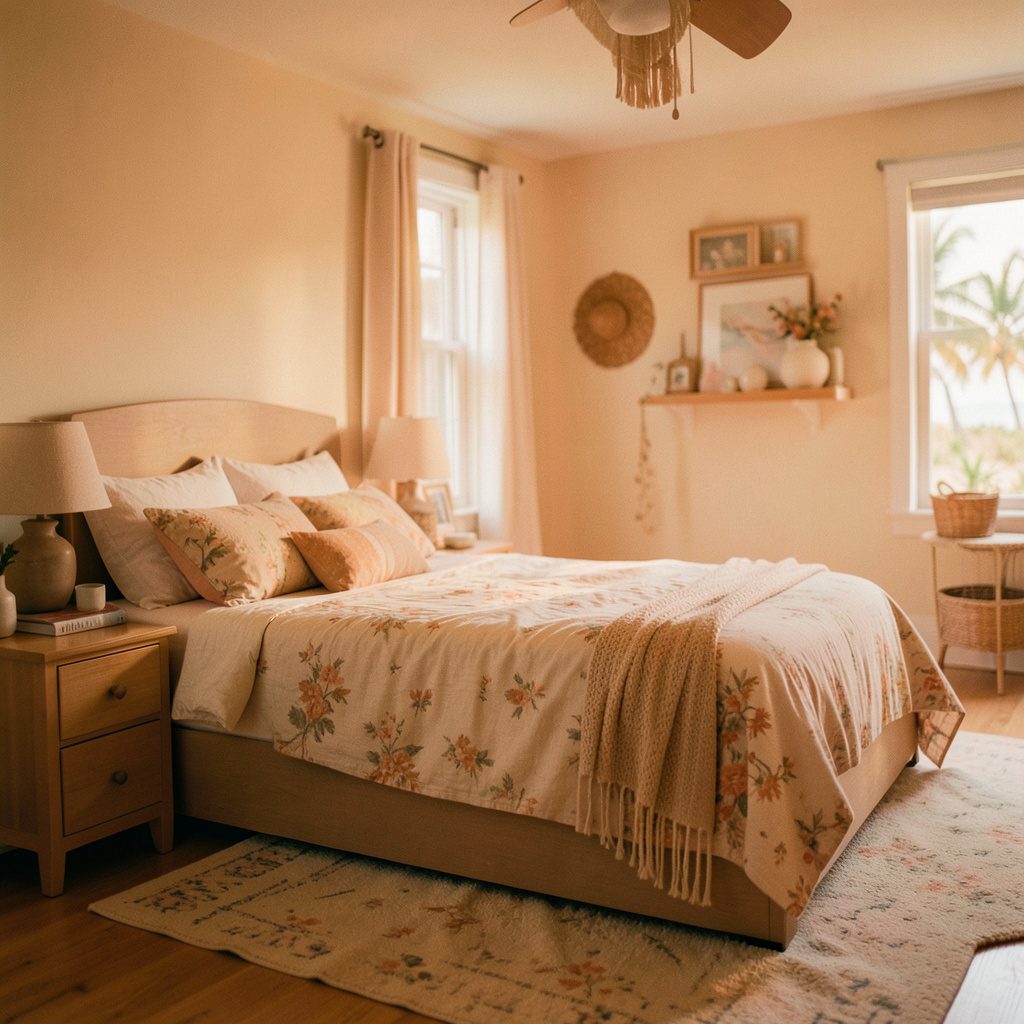
Place throws where they will actually be used. Fold one over the arm of a chair, drape another across the sofa corner or keep a textured blanket in a large basket beside the coffee table. Casual placement feels more welcoming than arranging every item with showroom precision.
For a refined effect, repeat a texture twice across the room. A fringed cushion might echo the fringe on a throw, or a ribbed fabric lampshade might relate to a fluted timber cabinet. Repetition gives variety a visual anchor and stops the room from appearing assembled at random.
Add Timber, Cane And Natural Fibres
Natural materials provide warmth that painted or glossy surfaces often lack. A timber coffee table, cane cabinet, rattan pendant or seagrass basket introduces grain and irregularity, helping a living room feel grounded. These finishes are particularly effective in open-plan homes where the kitchen may contain many smooth, reflective surfaces.
Use contrasting shapes to keep the scheme contemporary. Pair a rounded timber table with a boxy sofa, or place a softly curved cane chair near a rectangular rug. Too many matching wood tones can make a room feel heavy, while one dominant timber finish supported by smaller natural accents usually feels more balanced.
A few carefully chosen handmade pieces can add personality. Look for ceramic vessels from local makers, woven storage from weekend markets or a sculptural timber bowl. The relaxed, collected quality of these objects often feels more authentic than buying every accessory from the same range.
Soften Light And Reflective Surfaces
Lighting has a major role in how texture is perceived. A bare ceiling light can flatten the room, while several lower sources create gentle pools of illumination across fabric, timber and walls. Combine a floor lamp, table lamp and dimmable overhead fitting where possible.
Linen shades, pleated lampshades and paper lanterns diffuse brightness and create a softer evening atmosphere. Warm-white globes are generally more flattering than cool white bulbs, especially beside beige, terracotta or timber finishes. In sunny Sydney or Adelaide rooms, sheer curtains can filter harsh afternoon light without blocking the outlook.
Metal accents can be included, but use them as small points of contrast. Aged brass, blackened steel or brushed nickel on a lamp, side table or cabinet handle adds definition among softer materials. If every surface is matte and woven, a modest reflective detail can prevent the room from looking visually sleepy.
Style For Real Life And Local Conditions
Texture needs to be practical as well as attractive. In a coastal home, salt air and humidity make washable covers, breathable fabrics and raised furniture sensible choices. In dry inland areas, closed storage and easy-clean surfaces help manage dust. A sturdy rug pad can also prevent movement on polished timber or tile flooring.
Apartment living calls for careful scale. A large modular sofa may overwhelm a compact lounge room, while a slimline sofa paired with an ottoman can provide flexibility without blocking walkways. Choose baskets, nesting tables and wall-mounted storage when floor space is limited, particularly in inner-city rentals where every square metre matters.
When shopping, compare local furniture warehouses, independent makers, op shops and seasonal sales rather than buying everything in one visit. Australian retailers often have different lead times for upholstery and imported pieces, so order key items first. For a simpler bedroom aesthetic that can inform your broader approach to restrained furnishings, explore these minimalist bedroom furniture ideas and adapt the same principles to the lounge room.
Begin with the pieces that define comfort: a well-proportioned rug, supportive seating and warm lighting. Then add timber, baskets, cushions, throws and artwork gradually, checking that each new layer contributes a useful texture, colour or function. A thoughtful mix will give your living room the easy, welcoming character of a home designed for real Australian living.