Incorporating indoor plants into a beachy living room
A beachy living room works best when it feels relaxed rather than staged: pale timber, washed-out linen, woven details and graceful leaves soften the space. Indoor plants bring movement, colour and a gentle connection to the outdoors, turning an ordinary coastal room into a calm place to unwind.
When planning a beach-inspired interior, treat greenery as part of the decor, not a separate jungle tucked into one corner. Choose plants that complement the room, group pots at different heights and allow enough light and airflow for healthy growth. The result should still work for a morning coffee, a family film night or friends dropping by after a walk along the beach.
Set the coastal palette before adding greenery
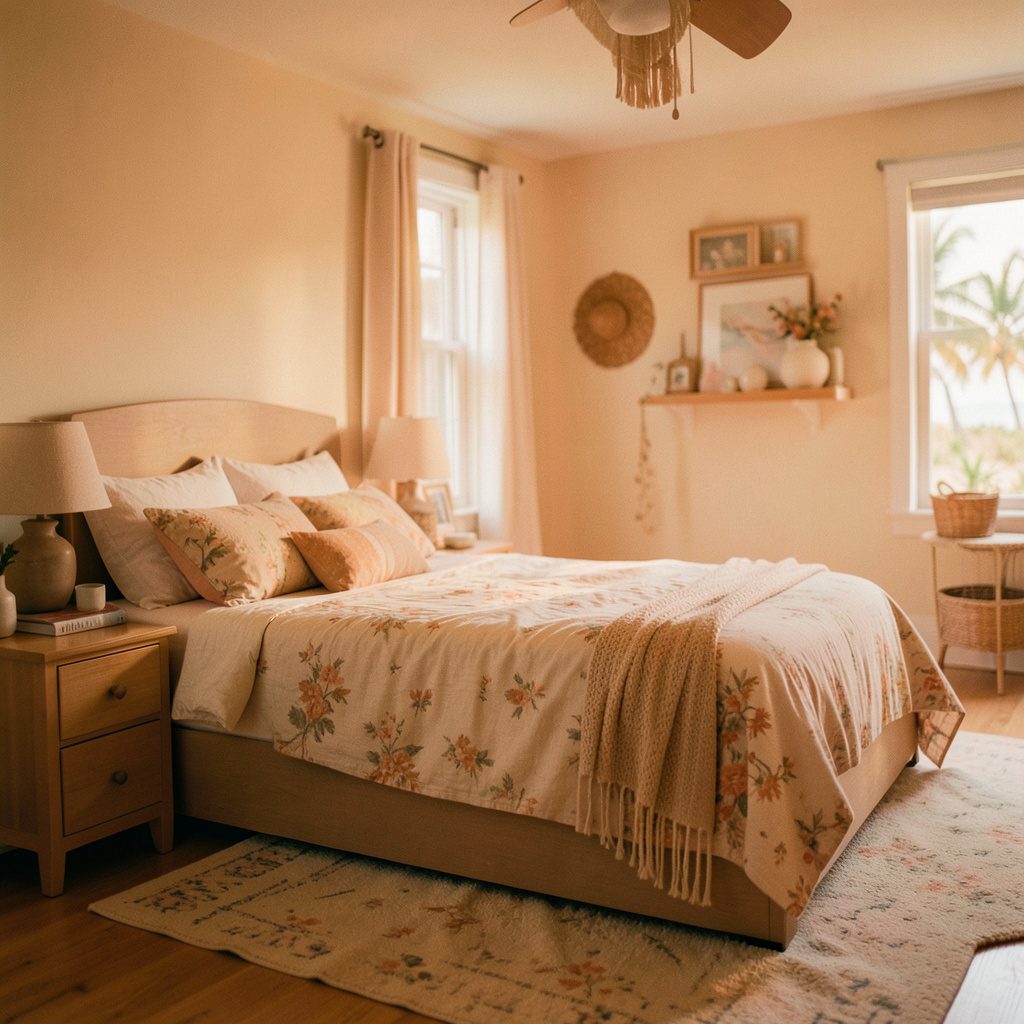
Begin with the permanent coastal palette. Pale walls, sandy rugs, bleached timber and simple blue-and-white accents create the backdrop; indoor plants should add depth without hiding those colours. A cluster of glossy leaves against an off-white wall reads as lush, while the same foliage against a dense pattern can look busy.
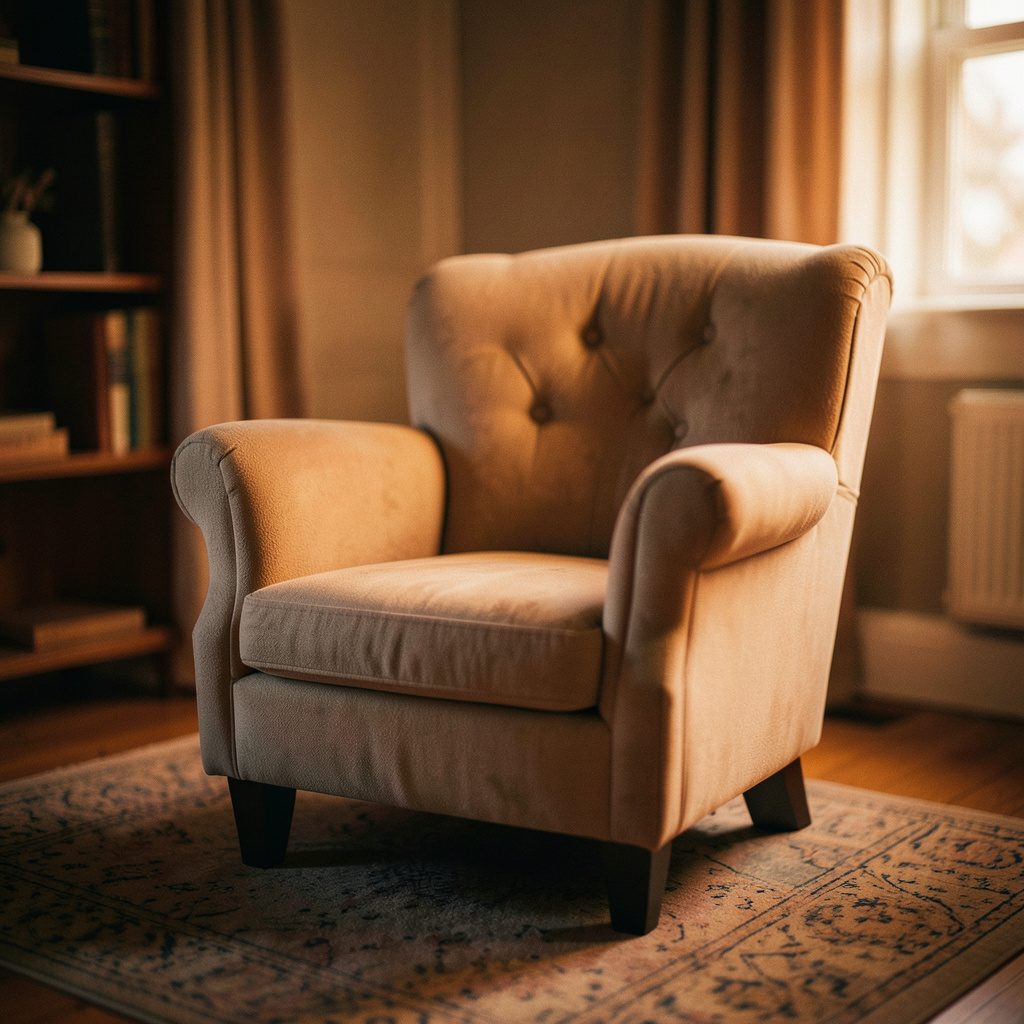
Keep larger furniture visually light. A slim timber sideboard, a glass-topped table or a woven lounge chair lets the plants remain important without overcrowding the room. Natural textures such as linen, cotton, jute and rattan reinforce the beachy mood and balance the sharper edges of broad tropical leaves.
Choose plants suited to bright Australian rooms
Choose foliage according to the room’s light and local climate. In a bright, airy coastal home, a fiddle-leaf fig, rubber plant, monstera or indoor palm can become a strong feature. These plants need room and steady care, so give a specimen enough space before bringing it home instead of buying several crowded pots at once.
Lower-light corners call for more forgiving choices. Snake plants, ZZ plants and pothos tolerate dimmer conditions, and trailing pothos can soften a shelf without taking up floor space. Rotate plants regularly and keep foliage away from intense afternoon sun through a west-facing window. Keep plants with toxic sap out of reach of pets and small children.
Australian conditions make placement especially important. Brisbane homes may face humid summers and strong subtropical light, Melbourne has cool winters, Sydney can have colder winter days, and Perth often has dry summer air. Open windows, sea breezes and air-conditioning all change the microclimate around a plant, so observe its intended spot for a few days before making the position permanent.
Use texture to soften white and sandy tones
Texture does much of the coastal work, allowing plants to feel integrated instead of added on. Loose linen curtains, a washable cotton sofa and a jute rug bring relaxed softness to hard floors. Rattan chairs and pale timber tables add a lightly weathered character that pairs naturally with green foliage. For families comparing seating options, kid-friendly couch materials offer a useful starting point for balancing comfort, durability and cleanable finishes.
Give pots the same careful attention as the plants. Matte terracotta, sand-coloured ceramic and sea-glass glazes reinforce the neutral scheme, while simple white containers look crisp against darker leaves. Match the pot’s scale to the plant rather than choosing an oversized decorative planter that leaves too much wet soil. Every container needs a drainage hole and a saucer to protect nearby timber.
Group plants with furniture and everyday life
Group plants at different heights to establish a focal point. Place a tall specimen behind a sofa or beside a window, set a medium plant on a side table and let trailing vines fall from a shelf. Odd-numbered groupings often look more relaxed, while two matching pots can frame a doorway or fireplace. Keep plants with similar light and watering needs together, and test the arrangement with baskets and books before investing in large planters.
The room must still support everyday Australian life. Bare feet, sandy towels, snacks and active children bring dirt indoors, so choose washable covers and furniture that can withstand frequent use. Position tall plants away from busy corners, and consider heavier ceramic pots where children might knock a lightweight container over. The greenery should complement the household routine, not restrict it.
In an open-plan living area, plants can help connect the lounge and kitchen. If an island is the centrepiece, these kitchen island tips can guide your thinking on breakfast-bar height, overhang and clearance. A slim planter beside the boundary softens the division, but keep the route from the front door to the kitchen clear. Apartment balconies also require care: strata by-laws, common-area rules and load or guardrail requirements can affect where large planters may safely be placed.
Care for foliage in salt air and changing seasons
Healthy foliage depends on consistent care, especially where salt-laden air reaches an open window. Check moisture below the soil surface instead of watering to a fixed schedule; a small pot in an airy room may dry faster than one beside a heating vent. Empty saucers after watering, and move plants away from radiators, air-conditioner outlets and doors that swing into leaves.
Cleaning is simple but useful. Gently wipe broad leaves with a damp cloth to remove dust and salt film, and inspect them for pests when bringing new plants into the house. Trim yellowing growth and rotate pots for even light. Avoid placing a plant directly against a breezy open door, where it can dry out quickly or be knocked by a strong gust.
Local nurseries are a good source for species suited to Australian conditions, and independent garden centres often carry a wider range than big-box stores. State biosecurity and import controls affect how plant material enters Australia, so buy from reputable sellers rather than accepting an unidentified cutting. Check the return policy and ask for the plant’s exact light, watering and temperature requirements before taking it home.
Bring the coast home with one deliberate step
Build the scheme with variety instead of quantity. One architectural plant, one trailing plant and one resilient species provide enough interest for a compact apartment living room, while larger coastal homes can create layered displays along a window wall. Repeat a few colours from the cushions or rug in the pots to make the composition feel deliberate and connected.
Bring home one plant this week, measure the space where it will stand and picture its mature height before you buy. Place it where you can enjoy it, give it the light and water it needs, and watch the room change around it. Choose a plant you will care for, then let your breezy coastal retreat grow naturally from there.