How to Mix and Match Throw Blankets for a Casual Vibe
Mixing and matching throw blankets is an easy way to make a sofa, bed or reading chair feel relaxed rather than styled to the millimetre. The best combinations begin with colours and textures already in the room, then add contrast through scale, pattern and the way each layer falls.
A casual vibe depends less on perfect symmetry and more on soft edges, useful layering and a slightly lived-in finish. Throws can be folded over an arm, loosely stacked at the foot of a bed or draped from a chair, so each piece works hard while still looking effortless.
Material choice should suit Australian conditions as well as the room. Light cotton and linen blends work for humid Brisbane afternoons, wool feels comfortable on cooler Melbourne or Sydney evenings, and a breathable woven layer can move between an air-conditioned apartment and a sunny verandah.
Before buying, look at what your space already asks for: a pale sofa may need gentle pattern, while a patterned chair often calls for a plain companion. Decide where the textiles will land and how often they will be moved, then choose finishes that can handle that everyday rhythm.
Start with a colour direction
Choose a colour direction that connects to the room, rather than treating every throw as an isolated statement. Pull three colours from the walls, rug, cushions or timber and use them as a loose palette. Warm whites, oatmeal, sand and eucalyptus green create a calm foundation, while rust, indigo or charcoal can provide clearer contrast.
Keep most of the layering quiet and reserve one stronger shade or print for visual movement. Two understated throws can sit beside a brighter patterned one, or one textured piece can carry the interest if the sofa is already colourful. Repeat a colour somewhere else in the room so the combination feels connected.
Mix texture before pattern
Texture adds depth without needing another colour. Pair a chunky cable-knit or looped wool throw with smooth cotton, washed linen or a flatter woven blanket. Contrast rough and polished surfaces, not merely thick and thin ones. A nubby knit against crisp upholstery feels casual and tactile, especially when both tones are close in value.
Pattern works best when its scale answers the scale of the furniture. Broad stripes suit a generous sofa, while small checks or speckled weaves can soften an oversized chair. Avoid giving two throws equally loud patterns and equal visual weight. Let one dominate through colour or placement, then let the other support it.
Layer for warmth and depth
Layering is where a coordinated collection becomes useful. Place a larger, lighter blanket across the back or seat, fold a smaller throw over one arm, and finish with a compact accent piece. Uneven lengths and relaxed folds create movement, but each layer should remain visible and have a practical purpose, such as warmth or covering a marked area.
Australian weather makes adaptable layering especially valuable. In Brisbane, keep a breathable cotton throw ready for humid nights; in Sydney and Melbourne, add wool for changeable evenings; in Perth, a light woven layer can handle dry air and strong sun without feeling heavy. Rotate fibres through the year instead of using one blanket year-round.
Scale the throw to the room
Match the size to the furniture and the amount of coverage you actually need. A throw that reaches almost to the floor from a seat adds a relaxed, generous look, while a smaller square is better for a chair or the end of a bed. Check dimensions rather than relying on vague labels such as oversized or standard.
Draping matters as much as size. Let a soft knit fall in broad folds over the seat rather than bunching it evenly, and use a folded square or neat bolster for a straighter bed. If two pieces share a sofa, vary their positions so they look collected over time. The slight imperfection is part of the casual character.
Make casual styling feel intentional
Make every throw earn its place by connecting it to a habit in the house. A washable layer suits coffee mornings and movie nights, a wool throw belongs by a reading lamp, and a softer textured option can make a plain bedroom feel considered. Casual comfort is more convincing when the textiles support real routines.
For renters in Sydney or Melbourne, removable textiles are often more practical than permanent alterations, particularly in compact open-plan apartments. They can divide a room, soften a hard dining chair or add colour without paint or fixed hardware. For families, choose pieces that can be shaken out, washed and returned to a basket when not in use.
Shop and care for local homes
Australian homewares shopping offers everything from major retailers and online marketplaces to independent studios and labels built around local design. Natural fibres remain popular, and Australian wool has long been a strong domestic story, so it is worth comparing drape, weight and pilling rather than choosing on material name alone. A broader look at textured throw options can help you compare looped knits, soft brushed finishes and flatter weaves before checking local stockists.
Check the fibre content and care instructions, then think about how the piece will be used. Australian retailers must meet the Australian Consumer Law, so descriptions such as wool, washable or durable should match the actual product and its disclosed ordinary purpose. If a claim matters to you, confirm it on the label or with the seller.
Follow the care guidance for airing, washing and drying. Air wool between uses when permitted, wash according to its label, and avoid relying on a delicate cycle when the instructions allow a gentler option. Keep a small basket by the sofa for folding throws at night, and rotate pieces so one colour does not fade faster than the rest.
Try three ready-made combinations
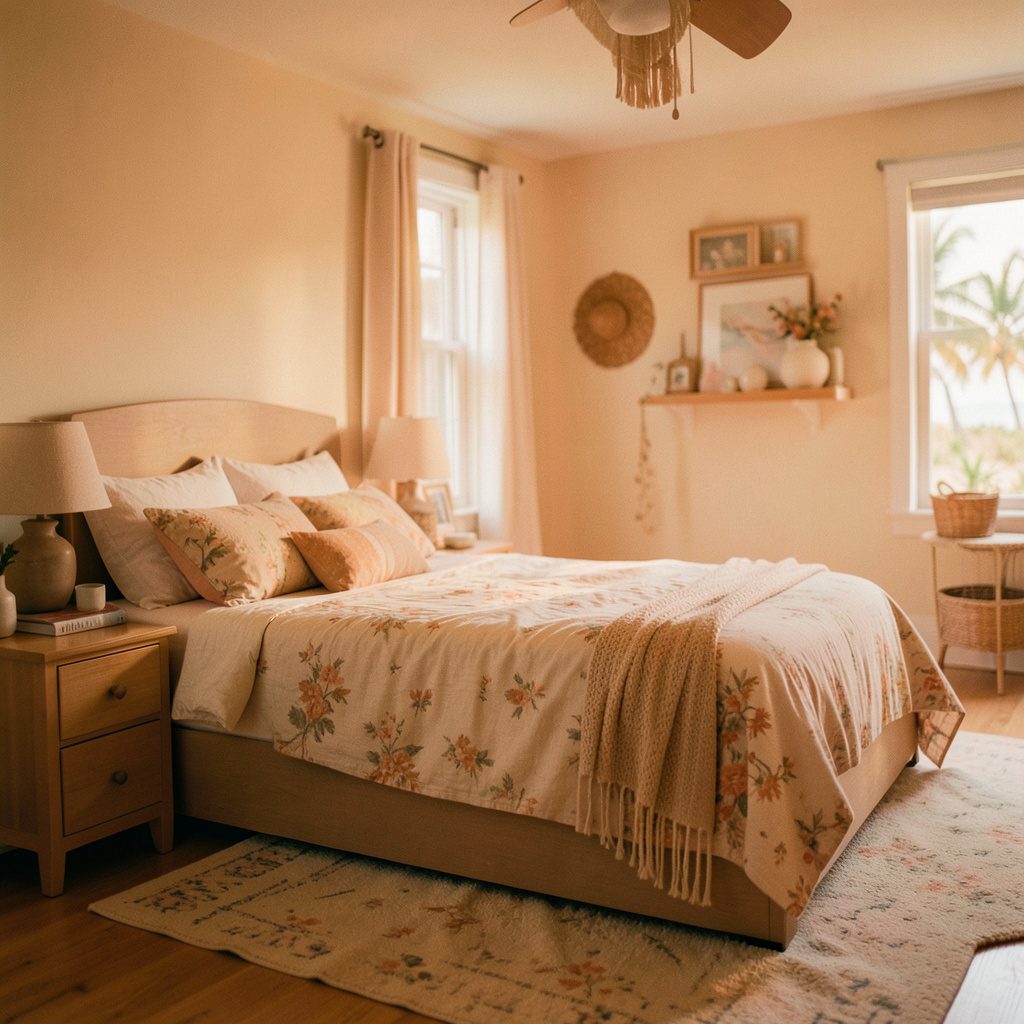
For coastal calm, combine an off-white textured throw, a sand-coloured woven blanket and one faded blue accent. This palette suits a bright sitting room, beach-inspired bedroom or apartment with timber furniture and white walls.
For earthy warmth, layer rust, olive and chocolate brown. A chunky knit can provide the main texture, while a flatter wool throw in a deeper tone adds contrast. Keep the palette unified with natural cushions, a leather chair or a warm timber floor.
For graphic contrast, use a plain cream blanket with a charcoal striped throw and one smaller piece in ochre. Place the quieter layer across most of the sofa and let the patterned piece fall over an arm, creating an informal arrangement with clear visual hierarchy.
Start with the colours and materials already working in your room, then introduce one contrasting texture or pattern. Test the combination by draping rather than folding everything perfectly, since a relaxed finish should still look deliberate. Choose your palette today, then layer, drape and live with your mix until it feels like your room.