How to Choose the Perfect Rug for a Beachy Bedroom
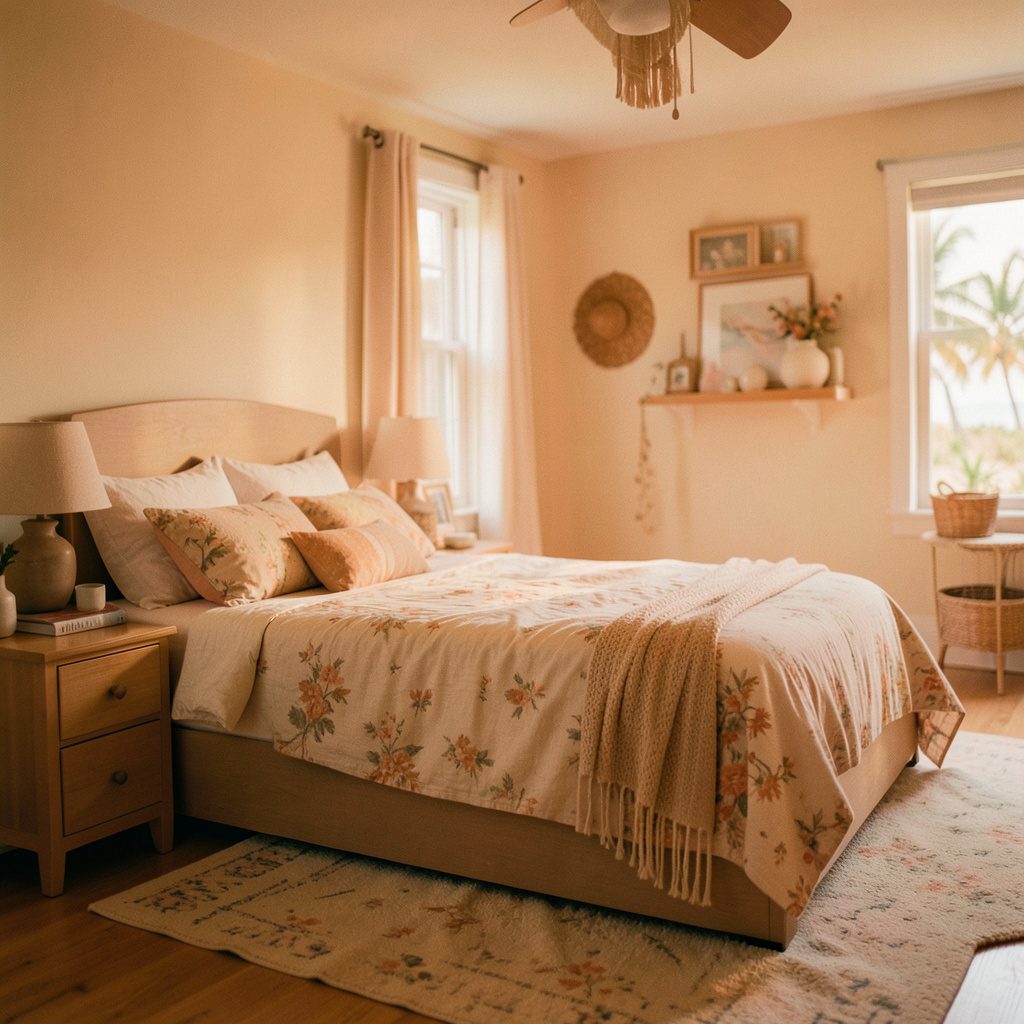
A beachy bedroom captures the calm rhythm of the shoreline through soft colours, weathered textures, and an open sense of light. Rugs anchor that mood, grounding the bed while adding warmth underfoot on cool coastal mornings. Picking the right floor covering for a seaside-inspired space means balancing visual softness with the practical realities of living near the ocean.
From the elevated apartments of Sydney's eastern suburbs to the breezy Queenslander renovations around Brisbane, Australians have long embraced coastal style in their homes. Salt-laden breezes, afternoon sea spray, and bare feet tracked in from the sand mean floor coverings in beach houses work harder than they would in a city apartment. The right rug should handle humidity, occasional moisture, and bright sun, while still echoing the relaxed palette of the coast.
The choices can feel overwhelming when you start browsing natural fibres, flat weaves, and patterned options at retailers such as Temple & Webster, Adairs, or Freedom. This guide walks through the practical decisions that shape a great rug for a bedroom infused with beachy character. By the end, you will have a clear sense of colour, material, size, and care considerations suited to your space.
Defining Your Coastal Colour Story
Before you fall for a particular weave or pattern, settle on the colour palette your bedroom already speaks. Most coastal rooms rely on three shades borrowed from nature: bleached sand, weathered driftwood, and the soft grey-blue of shallow water. A rug should sit within this conversation rather than fighting it, which usually means choosing tones that feel sun-faded rather than saturated.
White-washed linens, pale timber side tables, and rattan bedside lamps typically set the scene in a beachy retreat. A rug in cream, dove grey, oat, or pale taupe will complement these finishes without overwhelming them. If your bedroom already features deeper ocean blues or charcoal accents, you can echo those notes subtly through the rug, but resist the urge to introduce bold colour that has no other reference in the room.
Busy florals or primary brights rarely belong in a coastal bedroom because they pull focus away from the restful feeling the space is trying to create. Soft, low-contrast colours read as serene, and they photograph beautifully against white bedlinen, which matters if you enjoy sharing updates on home styling.
Picking Materials Suited to the Australian Climate
Material matters as much as colour when your home sits close to the surf. Natural plant fibres such as jute, sisal, and seagrass feel wonderfully tactile and pair effortlessly with weathered timber floors, a popular choice in renovated homes from Byron Bay to Cottesloe. They do, however, absorb moisture readily, so they are best avoided on floors that regularly feel damp.
Wool remains a reliable all-rounder for Australian coastal bedrooms. It resists staining better than many synthetics, regulates humidity, and brings a soft, cushioned feel underfoot. Look for wool rugs with a low pile or hand-loomed construction, since deep shag styles trap sand and are harder to keep fresh near a beach entrance.
Cotton flat weaves and indoor-outdoor rugs made from recycled PET or polypropylene have earned their place in many seaside homes. They handle splashes from outdoor showers, dry quickly when a salty breeze blows through an open window, and cost less to replace if the look changes with the seasons. Many Australian families building guest suites or holiday lets consider these hard-wearing options as the practical choice for high-traffic floor plans.
Getting the Size and Placement Right
A common mistake in bedrooms is selecting a rug that looks modest on the showroom floor but disappears once a queen or king bed sits on top of it. The general rule is to leave roughly 30 centimetres of bare floor visible around the rug's edges, which keeps the room feeling open rather than wall-to-wall.
For a coastal bedroom centred on a bed, a rug that extends 60 to 90 centimetres beyond each side of the mattress creates the impression of a generous, hotel-style retreat. This works especially well in larger master suites found in suburban Sydney or Melbourne builds, where floor space allows the rug to breathe. Runners on either side of the bed are a graceful alternative for narrower rooms or heritage terraces where original boards deserve to stay partly visible.
Layering is another technique coastal decorators love. A larger, neutral jute rug can act as a base for a smaller patterned or textured rug tucked partly under the bed. This layered look adds depth, softens acoustics in rooms with high ceilings, and lets you swap the top layer when inspiration strikes.
Embracing Texture Over Pattern
Texture does the heavy lifting in a beachy bedroom because it brings the organic feel of shells, sand ripples, and woven grass mats into the room without resorting to literal motifs. A chunky wool weave, a braided cotton design, or a loosely knotted jute flat weave will add tactile interest that reads as relaxed and unstudied.
In Australian beach homes, hand-loomed pieces sourced from independent makers often sit alongside mass-market rugs, since shoppers increasingly value items with a story. Even a simple flat weave can feel rich when its yarn shows slight variations in thickness, a quality that mirrors the natural irregularity of driftwood and sea-worn pebbles.
Patterns still have a role, but they should whisper. Consider a faded stripe, a barely-there diamond, or a tone-on-tone botanical that reveals itself only as you move closer to it. These delicate motifs contribute enough interest to keep the room from feeling plain, while leaving the bedlinen and artwork as the visual focus.
Stripes, Blues, and the Hamptons Influence
The Hamptons-inspired look remains popular in Australia, particularly in newer builds along the Mornington Peninsula, the Illawarra, and parts of the Gold Coast hinterland. A blue and ivory striped rug sits comfortably within this tradition, especially when paired with plantation shutters, paneled walls, and crisp white linens. The trick is to choose a stripe that feels washed-out rather than razor-sharp, so the look reads as coastal and not as a uniform.
For a softer approach, a rug with a simple border or a faded medallion design can introduce the same energy without committing to a bold pattern. Pairing these with quilted coverlets and white painted furniture nods gently to Hamptons style while keeping the mood distinctly Australian.
If your bedroom already features strong pattern through wallpaper, curtains, or a feature headboard, let the rug stay quiet. A solid, textured rug acts as a visual pause in a room full of detail, much like a stretch of smooth sand between rocky headlands.
Caring for Your Coastal Rug Long-Term
Living near the beach comes with extra maintenance considerations. Vacuuming twice a week keeps fine sand from settling deep into the fibres, where it acts like sandpaper against the rug's backing. A handheld vacuum or a vacuum with adjustable height works well on natural fibre pieces, which can stretch or distort under heavy rollers.
Open windows and ceiling fans help coastal homes stay ventilated, but prolonged direct sunlight can bleach even high-quality dyes. Rotating your rug every few months ensures it wears and fades evenly, which extends its useful life and protects the room's overall colour balance. For spills, blotting promptly with cold water and a mild wool-safe detergent avoids the residue that attracts more sand over time.
A deep clean by a specialist once a year is worthwhile, particularly in homes that see heavy summer use from visiting family or paying guests. Many Australian cleaning services offer collection and delivery, which makes it easy to keep even a large wool piece looking its best throughout the year.
Browse Joebolte's curated coastal bedroom gallery for visual inspiration, then save your favourite rug looks to a mood board before visiting your local stockist or ordering online. The right floor covering will pull your seaside retreat together and quietly reward you every time your feet touch down in the morning.