How to create a reading nook in a corner of your living room
A corner of the living room can become a quiet retreat without a major renovation. A comfortable chair, purposeful lighting and a small place for books are enough to make the space feel intentional. The key is to work with the room’s proportions rather than fill every gap with furniture.
Before buying anything, picture how the corner will be used. Will you read before work, unwind with a cup of tea at night, or share the spot with a guest? Clear answers help you choose between a compact armchair, a window-side perch and a built-in seat with storage beneath.
Many Australian homes in Sydney, Melbourne, Brisbane and Adelaide combine modest living areas with a strong preference for multipurpose furniture. A nook can absorb a corner that feels awkward beside the television, yet it should still allow people to move between the sofa, doorway and balcony without negotiating a maze of furniture.
Good design starts with comfort, but atmosphere matters just as much. Natural light, warm lamps, touchable fabrics and a few favourite objects turn an empty corner into somewhere you want to return to. The aim is a usable daily habit, not a decorative alcove that looks unfinished.
Measure the space and work with the light
Measure the corner in both directions, including the space needed to pull out a chair and walk past it. Leave roughly 750 millimetres for a main route, or more if the nook opens onto a busy part of the room. Check nearby doors, power outlets and heating vents before deciding on a permanent installation.
Daylight can shape the layout. A chair angled towards a window often reads better than one facing the glass, while a low bookcase can preserve a clear view outside. In a bright aspect, add a light-filtering blind or curtain to soften glare; in a dim corner, use the wall colour and floor covering to reflect available light.
Choose furniture that suits the corner
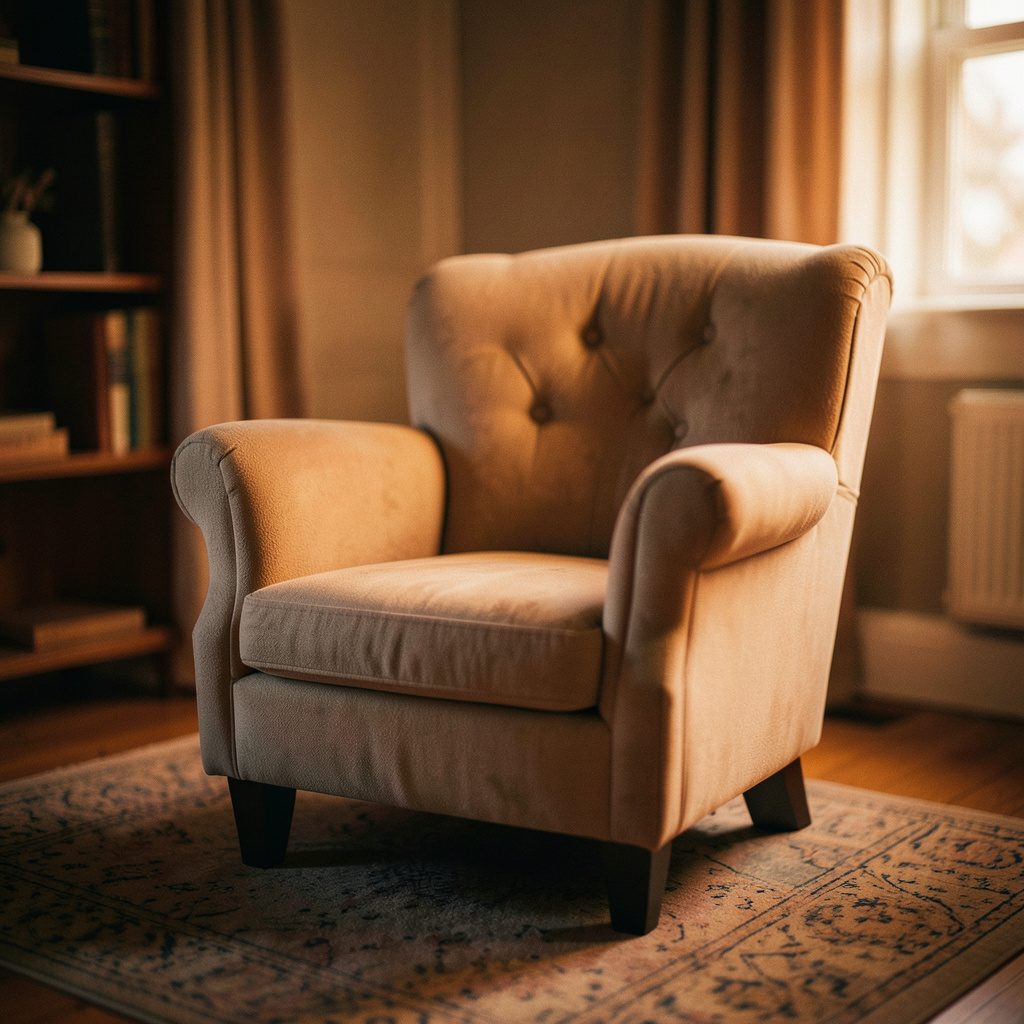
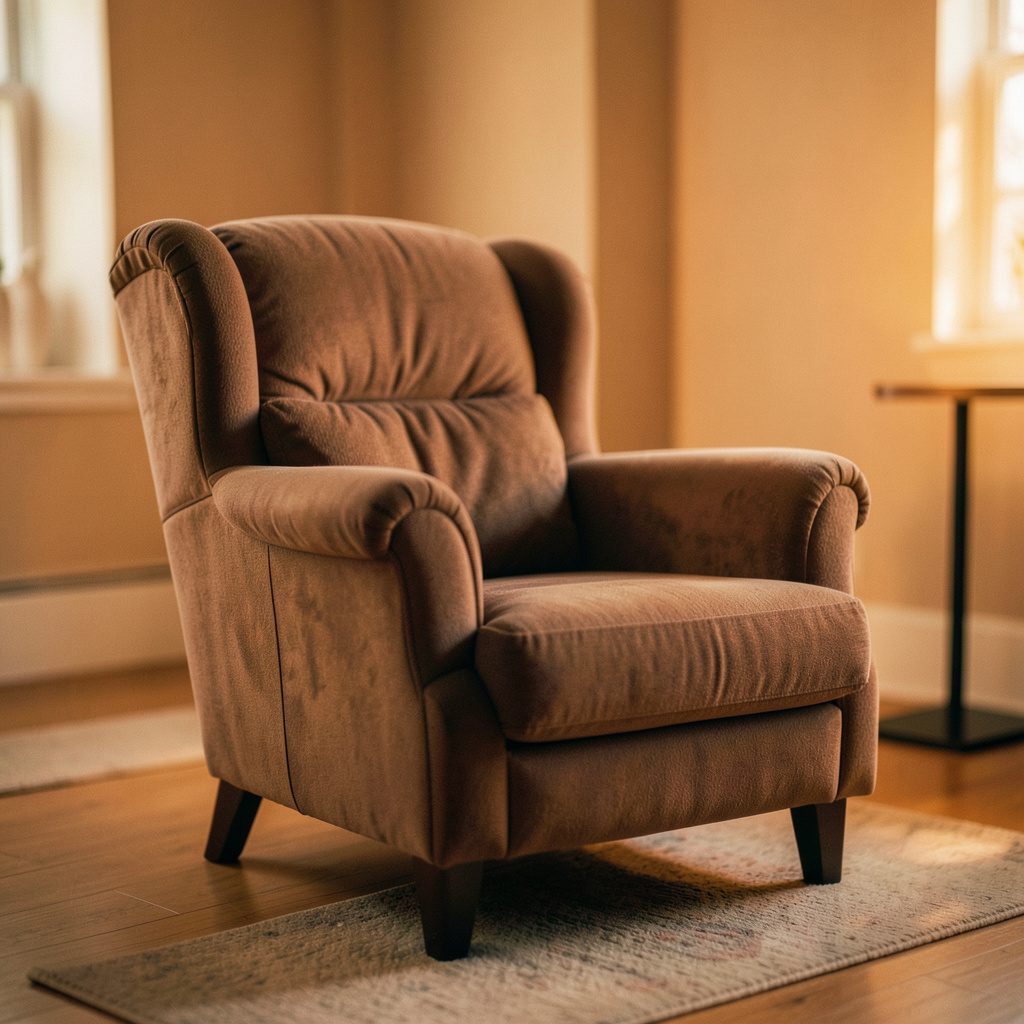
A high-backed armchair with supportive arms is a sensible starting point for longer sessions. Test it at the height you use in the room and check that your feet rest comfortably on the floor. An ottoman can provide a footrest and extra seating, though it should tuck away when guests arrive.
Built-in seating works well when the corner is wide or oddly shaped. A window seat with drawers can hold books and spare cushions, while a slim bench suits a narrow recess. If space is tight, measure the depth of your shelves and chair together rather than selecting each piece in isolation.
The Australian furniture market provides useful options: locally fabricated plywood seating, slim modular storage and plentiful flat-pack shelves. Second-hand armchairs can also be restored, provided the frame, foam and upholstery are checked before they enter daily use.
Layer light for comfortable reading
Use two light sources: an adjustable lamp for the page and a softer fixture for the surrounding room. A warm-white LED around 2700K feels restful in the evening, and shielded lamps reduce harsh reflections on glossy paper. Position the task lamp at shoulder height so your hand does not cast a shadow across the page.
Make cable safety part of the plan. Run cords along skirting boards, secure loose leads and keep them out of walking routes. If a wall light or new socket would make the nook much better, use a licensed electrician rather than attempting fixed wiring yourself.
Make storage practical and tidy
Books need less depth than many people expect, so a narrow open bookcase can hold a substantial collection without taking over the wall. Reserve the easiest-to-reach shelves for current reads and keep rarely used books higher up. A small basket or lidded box can contain magazines, headphones and other loose items.
Choose one surface for the objects you use most often. A slim side table within arm’s reach can hold a mug, reading glasses and a bookmark without becoming a second coffee table. Keeping the immediate area clear makes the chair feel more inviting and helps the nook retain its purpose.
Add texture, greenery and personal details
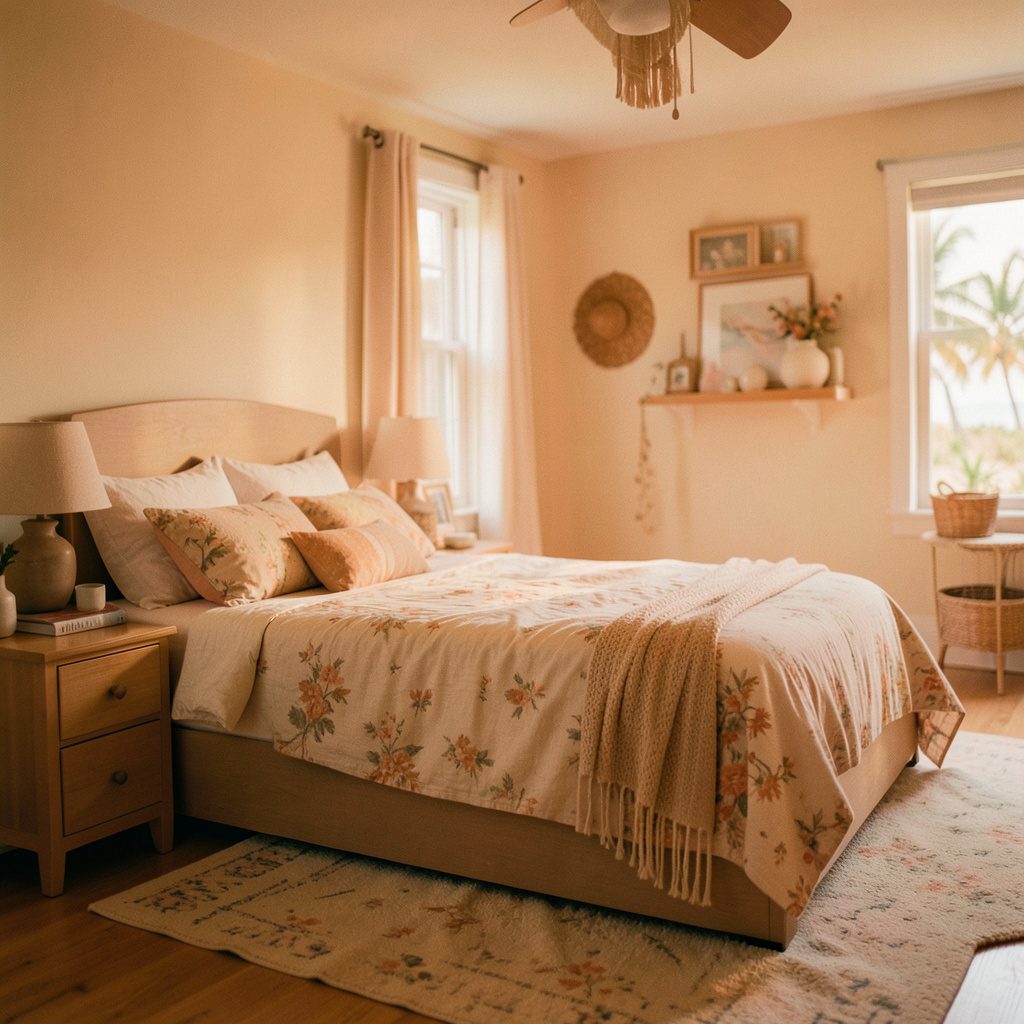
Layer a small rug under the chair, a seat cushion and a throw to soften harder surfaces. Wool, cotton and linen suit Australian homes, where people often move between barefoot indoor time and warm-weather routines. Use washable covers if the seat doubles as guest seating, and avoid piling too many patterns into a small space.
Bring in one living element such as a compact plant with glossy leaves or a trailing pot on a shelf. For more interior design ideas, combine one statement colour with a mostly calm palette. A framed print, a small artwork or a ceramic vessel can then provide personality without turning the corner into a miniature showroom.
Account for Australian homes and rental rules
Local conditions deserve attention. A west-facing room in Brisbane can stay hot through the afternoon, so choose breathable upholstery and a shade that controls glare. In cooler Melbourne evenings, a lamp, throw and rug provide welcome warmth. If the living room also serves as a home office or informal guest room, make the nook easy to clear for other uses.
Australian residential tenancy legislation generally requires the owner’s consent for fixtures or structural changes to a tenanted property, and fixed wiring must be handled by a licensed electrician. Freestanding furniture and carefully placed lamps can create the retreat first, with permanent work considered only after approval. Keep escape routes and smoke alarms unobstructed.
Test the nook before you commit
Spend an evening in the proposed space before buying the final pieces. Sit with a book, a drink and the lamp you normally use at night. Notice whether the chair supports your shoulders, whether the page is easy to see and whether the surrounding room still feels connected to the rest of the living area.
Make a simple mock-up with tape on the floor and a temporary chair. This reveals the practical dimensions without the expense of committing too early. Involve anyone who shares the room, and check that the arrangement leaves clear paths for everyday arrivals, children and people using mobility aids.
Choose one corner, gather the chair and light first, and add storage only after you know what the space needs. A successful reading nook should make it easy to settle in with a book while remaining part of the life of the room. Start with the habit you want to create, then let the furniture support it.
Take a photo of the corner from where you usually sit, select the pieces that solve what you noticed, and begin your transformation this weekend. A little planning can turn leftover space into a favourite place to read, think and slow down.