Calm Ocean-Inspired Bedroom Ideas With Neutral Textures
A calm ocean-inspired bedroom does not need bright turquoise walls, shell ornaments, or a room full of nautical motifs. The most restful coastal interiors borrow from the shoreline in quieter ways: sun-bleached timber, soft sand tones, linen bedding, weathered finishes, and the open feeling of a beach at first light.
For Australian homes, this approach works across many settings, from a compact Sydney apartment to a breezy Queenslander or a coastal house near Noosa. Neutral textures create visual warmth while allowing natural light, ventilation, and practical storage to shape a bedroom that feels relaxed, comfortable, and easy to live in.
Start With A Soft Coastal Palette
Build the colour scheme around warm white, pale oat, chalk, mushroom, driftwood, and muted stone. These shades reflect daylight without making the room feel stark, and they sit comfortably beside the blue-grey tones associated with ocean water. A small amount of dusty blue or sea-glass green can add depth without turning the room into a themed display.
In homes with strong Australian sun, test paint samples on several walls before committing. A colour that appears gentle in a showroom may look much brighter beside a north-facing window. Warm off-white is often more forgiving than cool white, especially in rooms with timber floors or afternoon light.
Use the darkest tone sparingly. A charcoal bedside lamp, smoked oak stool, or deep grey cushion can anchor the room, while the main surfaces remain pale and airy. This balance helps the bedroom feel grounded after sunset and spacious during the day.
Layer Linen, Cotton, And Woven Materials
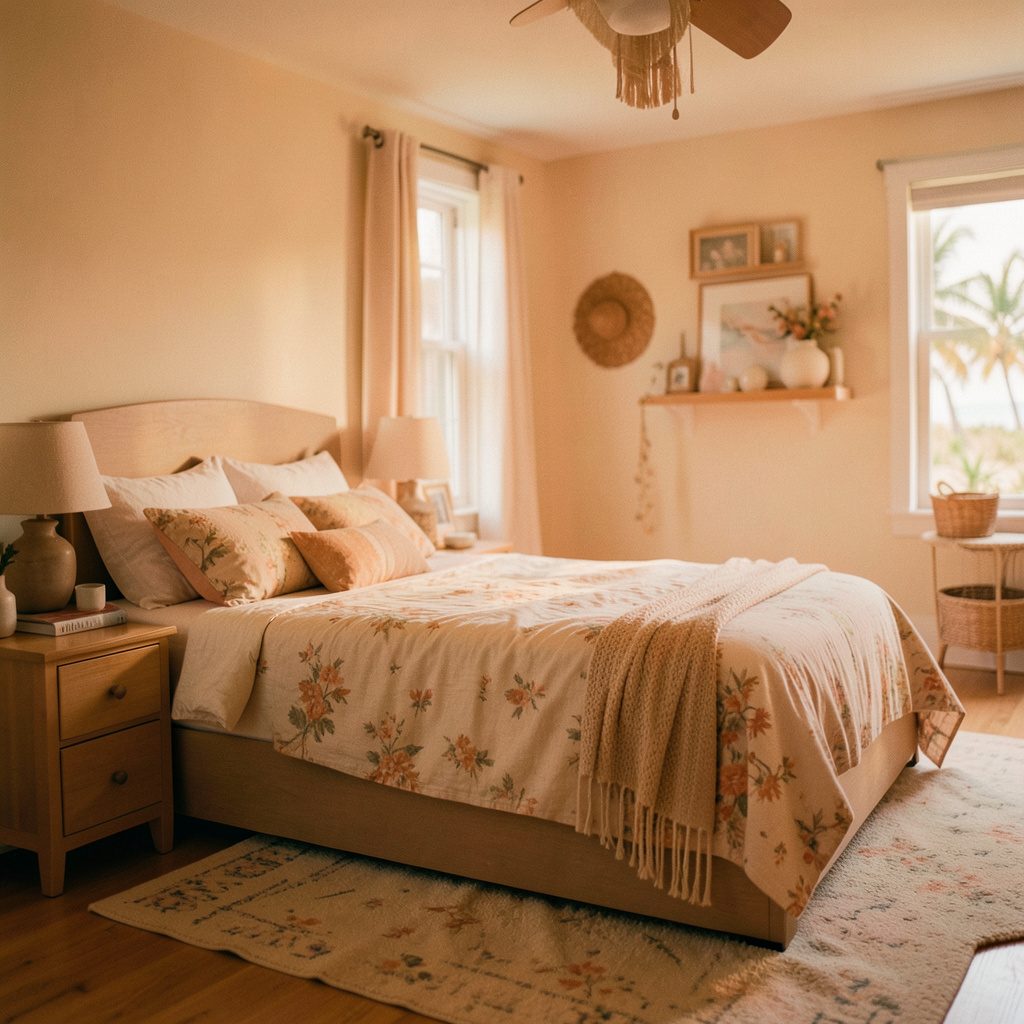
Texture is what keeps a neutral bedroom from appearing flat. Start with washed linen sheets, a cotton quilt, and a loosely woven blanket folded across the lower part of the bed. Linen brings a relaxed, slightly rumpled quality that suits an ocean retreat, while cotton provides a smoother layer for everyday comfort.
Add tactile contrast through a jute runner, seagrass basket, bouclé cushion, or cane-front cabinet. These materials echo natural beach textures without relying on obvious coastal accessories. In Australia, breathable fabrics are especially useful during humid summers, when heavy polyester bedding can feel uncomfortable.
Choose pieces that age gracefully rather than chasing a perfectly coordinated bedroom set. A handmade ceramic vase, timber stool, or woven pendant can introduce gentle variation. The aim is a collected look with a limited palette, rather than a showroom arrangement where every item matches.
Choose Furniture With An Easy Silhouette
A calm bedroom benefits from furniture with simple lines and visible space beneath it. A timber bed with a low headboard, slim bedside tables, and an open-leg bench can make the floor area feel less crowded. Rounded corners and gently curved shapes soften the room and suggest the natural movement of water.
Pale oak, ash, whitewashed timber, and rattan all work well with a neutral coastal scheme. Avoid too many distressed finishes, as excessive faux weathering can make a room feel busy. One aged timber piece is usually enough to suggest a beach house atmosphere.
For a smaller apartment bedroom, select a bed with built-in drawers or use shallow baskets beneath a raised frame. Australian rental properties often have limited storage and fixed wardrobes, so flexible furniture matters. A narrow chest, wall-mounted bedside shelf, or upholstered ottoman can provide function without consuming valuable floor space.
Frame The Bed As A Restful Focal Point
The bed should be the quiet centre of the room. Dress it with layered neutrals rather than a busy pattern: a white or oatmeal fitted sheet, a textured quilt cover, two larger European pillows, and a folded throw. A subtle stripe or faded blue line can reference beach towels or sea horizons without overpowering the composition.
A padded linen headboard adds comfort and absorbs sound, which can be useful in an apartment or townhouse. If the room already has character features such as timber boards or decorative cornices, a simple bed frame may be more suitable than an elaborate statement headboard.
Keep decorative cushions to a practical number. Three or four well-chosen cushions are easier to remove at night and maintain the uncluttered feeling associated with a calm retreat. Look for covers in waffle cotton, washed linen, or soft canvas for understated depth.
Use Lighting To Recreate Coastal Calm
Natural light is central to an ocean-inspired interior, but bedrooms need control as well as brightness. Pair sheer curtains with blockout blinds or lined drapes so the room can shift from sunlit and open to cool and private. This is particularly helpful in western-facing rooms, where late Australian sun can create glare and heat.
Layer lighting at three levels: soft ceiling illumination, bedside lamps for reading, and a low ambient source such as a wall light or small floor lamp. Linen shades, ceramic bases, and timber details keep the fixtures connected to the broader material palette.
A warm globe around 2700K creates a softer evening atmosphere than cool white lighting. Place switches where they are easy to reach from the bed, and avoid relying on a single overhead fitting. Good lighting should support winding down rather than making the bedroom feel like a brightly lit showroom.
Bring In Nature Without Creating Clutter
A few natural details can reinforce the coastal mood. Try a branch in a tall ceramic vessel, a framed photograph of a quiet shoreline, or a small arrangement of dried grasses. Images of the Australian coast, from the pale beaches of Western Australia to the rugged coves around Tasmania, can provide a local sense of place.
Indoor plants may suit the room, but choose varieties that tolerate the available light and humidity. A kentia palm, rubber plant, or trailing plant can add freshness, while a small pot of rosemary near a sunny window contributes scent and texture. Keep leaves away from walkways and bedding if maintenance is likely to become inconvenient.
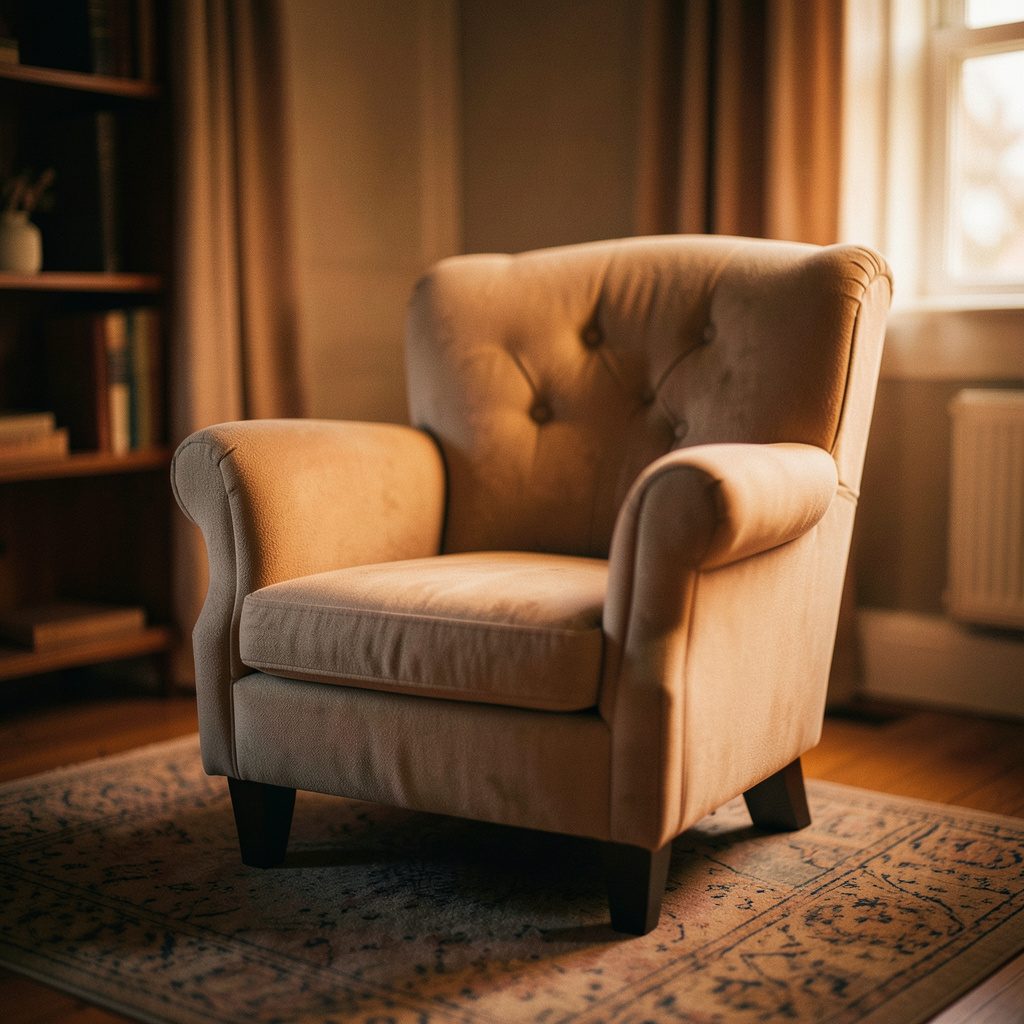
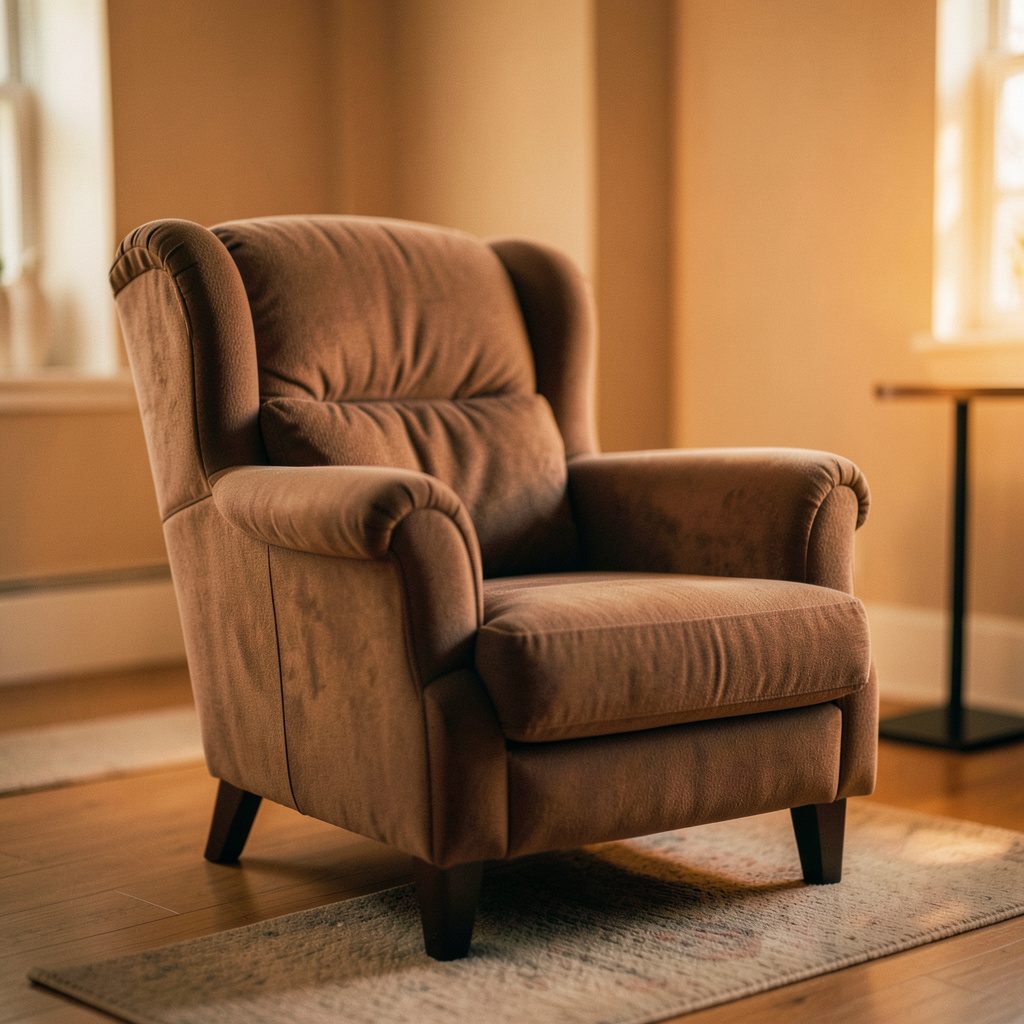
The bedroom should also support a slower bedtime routine. A comfortable reading chair, a clear bedside surface, and a woven basket for blankets can make the room easier to use. Gentle stretching or a few minutes of relaxed movement may help transition from a busy day; research into the health benefits of dancing also highlights how enjoyable movement can support wellbeing.
Adapt The Look To Australian Conditions
Coastal air can be beautiful, but homes near the water may also experience salt, dampness, and strong crosswinds. Choose washable slipcovers, breathable bedding, and finishes that can handle regular cleaning. In places such as Bondi, Fremantle, or the Gold Coast, wiping timber and metal surfaces occasionally can help reduce the effect of salty air.
Ventilation matters in warmer regions. Keep windows clear where possible, use a ceiling fan if suitable, and avoid placing large furniture directly in front of airflow. A lightweight wool or cotton blanket is more adaptable than one thick doona, particularly for homes that move between warm days and cool evenings.
The Australian market also offers plenty of accessible ways to achieve this style. Visit local homewares shops, browse weekend makers’ markets, or compare options at retailers such as Bunnings for simple timber, paint, hooks, and storage pieces. In a rental, removable picture hooks, freestanding lamps, and loose rugs can create the atmosphere without permanent alterations.
Keep the final arrangement edited. Leave some wall and floor space open, allow the textures to do the decorative work, and place everyday items within easy reach. When the palette is quiet and the materials feel natural, the room can suggest the calm of the ocean without becoming literal.
Create your own coastal retreat by beginning with one neutral base, one tactile layer, and one piece that reflects the Australian landscape. Explore more bedroom and home styling inspiration on Joebolte, then save the combinations that make your space feel restful, practical, and distinctly yours.