Accent Chairs That Make a Living Room Feel Complete
A living room can look coordinated on paper while still feeling visually unbalanced. Sofas and rugs establish the main layout, but the spaces beside them often need a chair to soften corners, add height or provide a comfortable place to sit.
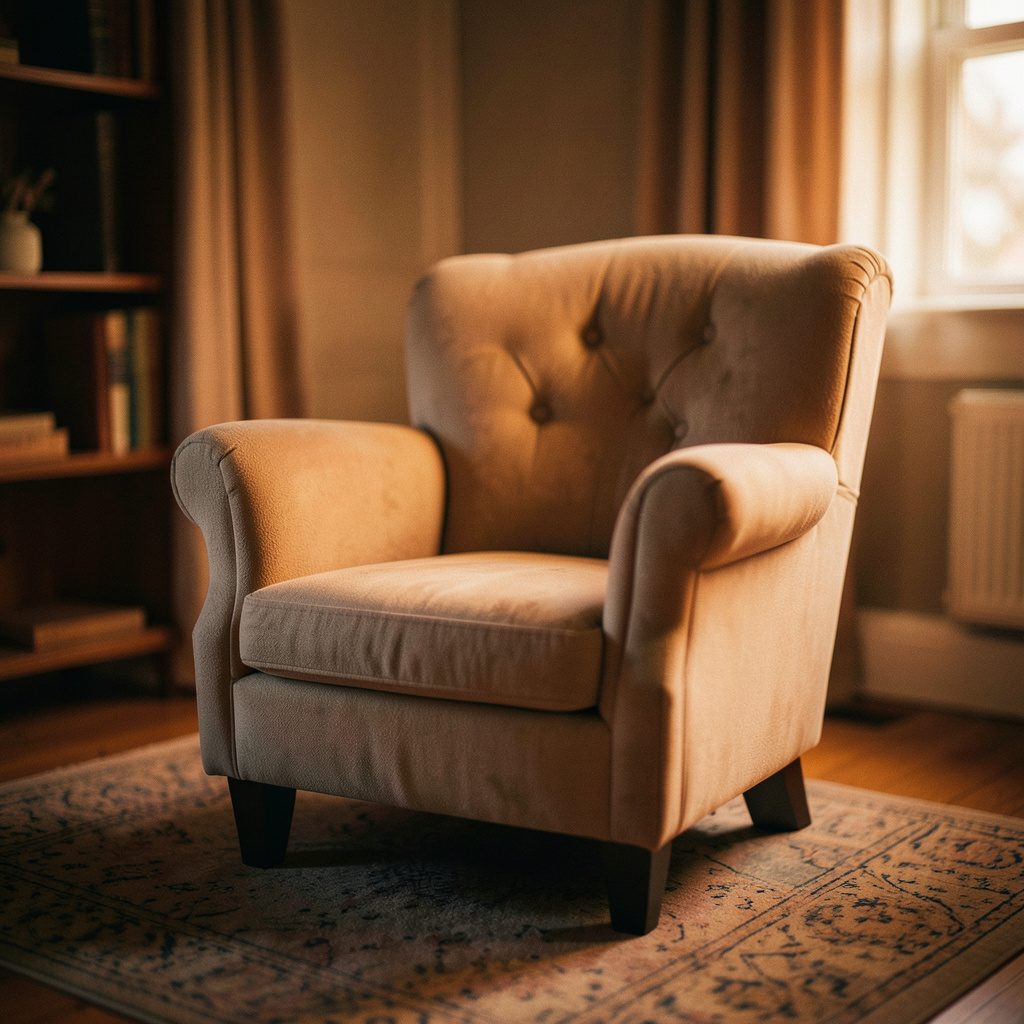
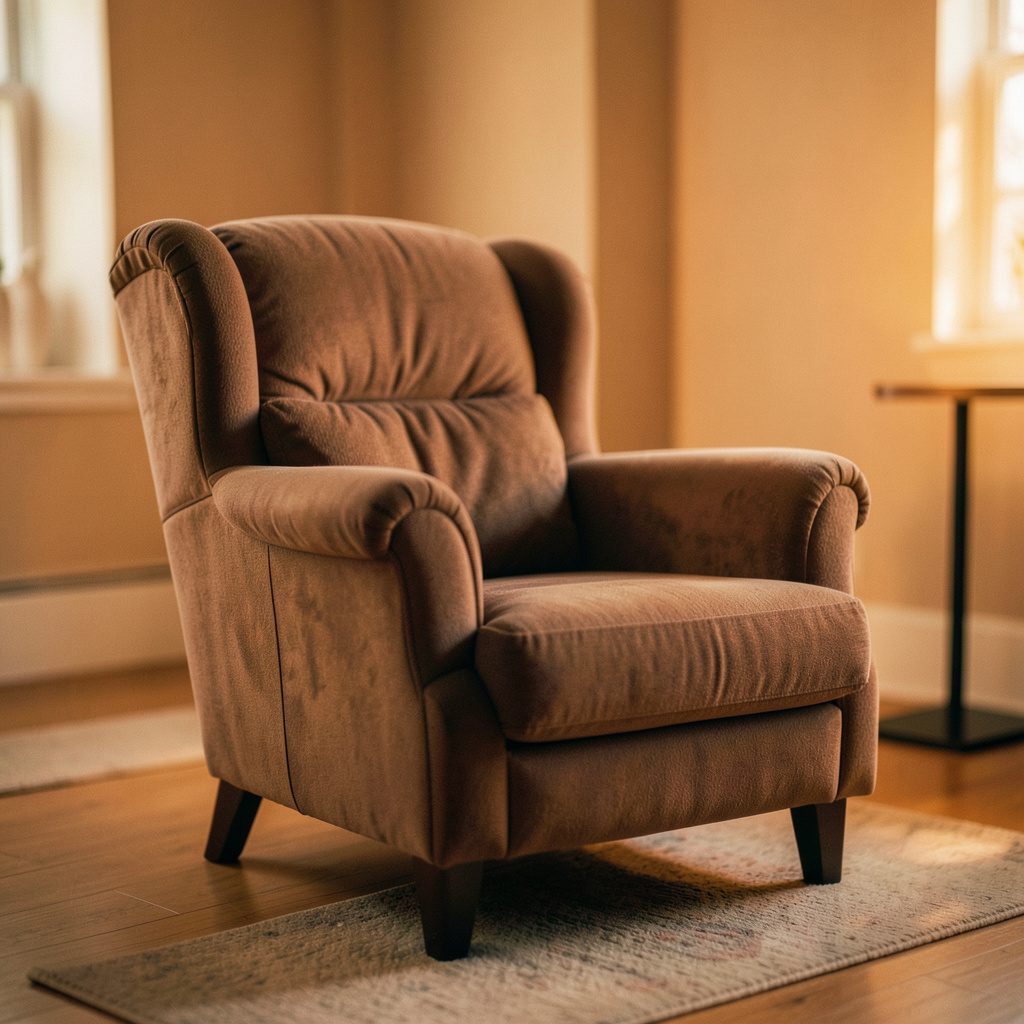
Comfortable accent chairs that complete a living room set should complement the existing pieces without disappearing into them. Their colour, shape and scale can quietly tie together the upholstery, timber finishes and decorative details already in the room.
Australian homes give the decision a distinctive context. Compact Sydney and Melbourne apartments need chairs that respect narrow floor plans, while Brisbane houses often face strong sunlight and humid conditions. Adelaide interiors may need to withstand dry heat, and suburban family rooms must handle everything from weekday work emails to weekend guests.
The best choice starts with the room’s proportions and daily use, not with a trend or a striking product image. Measure first, test the sit, consider maintenance and select a design that still feels familiar after the novelty fades.
Begin with the chair’s visual role
An accent chair usually performs one of three jobs: it creates a conversational grouping, fills an awkward corner or acts as a small focal point. Identifying that role makes it easier to judge scale, colour and shape before shopping.
For a conversational layout, place two chairs at an angle to the sofa rather than directly opposite it. Their fronts can point towards the coffee table, allowing people to speak naturally without turning their heads. If the chair is intended to anchor a corner, a stronger silhouette or deeper colour may suit it better.
Keep the coffee table roughly 30 to 45 centimetres from each seat. This distance allows someone to reach a drink or magazine while preventing the arrangement from becoming crowded. In compact rooms, a slim side table can provide the same function without reducing the walking space.
Match the scale to Australian homes
A chair that looks generous in a showroom can overwhelm an apartment living room. Measure the available floor area, including the space required to pull the chair out and stand behind it. Narrow lounge chairs around 65 to 75 centimetres wide often work well in urban spaces, although the final choice depends on the room’s proportions.
Match the seat height to the sofa where possible. A noticeably lower seat can make the grouping feel disconnected, while an unusually high chair may be difficult to leave. Deep, low lounge designs feel relaxed but suit larger rooms; a shallower seat with visible legs creates more visual space and suits a compact setting.
Australian conditions also influence where a chair can be placed. Direct afternoon sun can fade fabric and damage untreated timber, so a position away from windows may be preferable in a west-facing Brisbane or Perth room. Coastal humidity may call for breathable upholstery, solid joinery and finishes that can be refreshed rather than replaced.
Choose a shape that supports the body
Silhouette determines both comfort and character. A square chair feels neat and versatile, a rounded chair softens straight-lined sofas, and a high-backed design adds architectural height. Wing-back chairs create a sheltered feeling, while open-frame chairs keep an airy room from becoming visually heavy.
Seat depth matters more than decorative detail. A seat that is too deep leaves the feet unsupported unless the cushion is thick or the back angle is generous. Compact models with a usable seat depth of roughly 50 to 55 centimetres tend to suit a wider range of adults. Anyone who uses the chair for reading may benefit from lumbar support, while a firm seat and sturdy armrests can make standing easier.
Upholstery should be chosen around the way the household lives. Performance fabrics are practical for dining rooms, play areas and homes with pets. Cotton and linen feel relaxed but may need more protection in busy spaces. Leather develops character with use, yet it can become hot in direct sun and may show scratches in a home with young children.
Build comfort around everyday routines
Consider where the family naturally puts its feet. A chair near the television may need a supportive back and a durable seat, while a chair beside the window could become a morning coffee spot. In many Australian homes, the living room also serves as a study, homework area or informal dining room, so its furniture must be versatile enough for each activity.
Armrests can help a person rise, but wide arms make it harder to slip into a seat with a laptop or book. Look for a chair that supports a relaxed posture without forcing the shoulders forward. Swivel chairs are useful for following conversation and checking a laptop, although their circular bases need extra clearance and can scratch vulnerable floors.
Provide a small table if the chair is likely to hold a cup of tea, a phone or a book. The table should be stable and high enough to avoid slouching. In busy homes, a chair with a concealed side pocket can reduce clutter, while removable covers and washable cushions make everyday spills less stressful.
Coordinate colour, texture and character
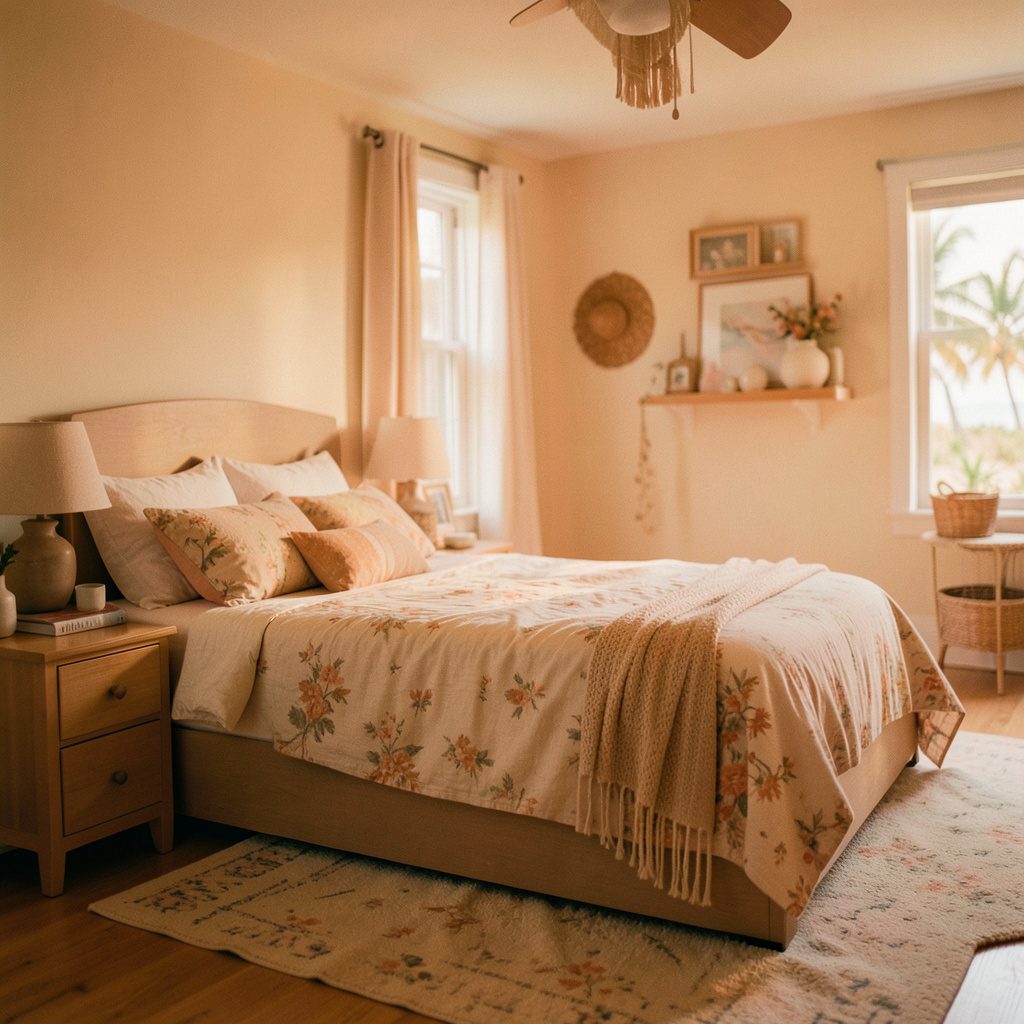
A chair does not need to match the sofa exactly. Repeating one colour from an existing cushion or rug can create continuity, while a contrasting textile gives the chair a clearer identity. Warm timber, natural fibres and muted colours work particularly well in many Australian interiors, especially when balanced with crisp whites, charcoal or deep navy.
Texture often does more work than pattern. Bouclé, wool, leather and visibly grained timber can enliven a room filled with smooth upholstery. If several patterns are already present, choose a chair with a simple shape and restrained fabric to prevent the space from becoming busy.
For visual direction, a reference such as curated room inspiration can help compare silhouettes and furnishing combinations. Hold a fabric sample beside the sofa and floor rather than judging it in the shop’s lighting. Natural daylight often reveals whether the tone feels cheerful, muddy or overly formal.
Shop the Australian market with care
The local furniture market includes Australian-made pieces, imported designs and stock held by national retailers. Locally manufactured hardwood chairs may offer repairable joinery and clearer communication about construction, while imported models can provide broader style choices at lower prices. Compare delivery times as well as cost, especially when a chair must match existing furniture.
Test the chair for at least a few minutes. Sit back, move your arms and check whether the cushion supports the lower back. Check the frame for movement, inspect seams and look beneath the upholstery where construction details may be visible. Online purchases should list overall dimensions, seat height and depth, weight capacity, fabric composition and warranty information.
Australian Consumer Law requires goods to be of acceptable quality and fit their disclosed purpose, and it prohibits misleading representations. Check that the seller provides clear care instructions and that any applicable product-safety requirements have been addressed. Also review the warranty, floor protection and return policy before confirming an order, particularly for recliners, swivel chairs or furniture assembled on site.
Bring the room together with confidence
A successful accent chair supports the sofa without duplicating it, suits the room’s dimensions and feels comfortable during ordinary use. Begin by measuring the intended position, then compare silhouettes, seat heights and fabrics in the room’s own light.
Choose one design that answers the room’s clearest need, and style it with a cushion, nearby table or lamp that reinforces the look. That final layer turns a useful chair into the finishing element your living room was missing.