Beach-Themed Wall Decor Using Driftwood and Shells
A relaxed coastal interior does not need to resemble a holiday souvenir shop. The most inviting beach-themed wall decor combines weathered timber, pale shells, woven textures and soft colours in a restrained arrangement that feels connected to the Australian landscape. These materials bring the rhythm of the shoreline indoors while adding warmth and character to bedrooms, living rooms, entryways and covered outdoor areas.
Driftwood and shells work particularly well because each piece has its own shape, grain and colouring. A branch can become a sculptural wall feature, while a small shell collection can add detail around a mirror or framed print. With thoughtful spacing and secure fixing, simple beach finds can become practical coastal artwork rather than clutter.
Choose A Natural Coastal Colour Palette
Begin with colours that reflect the beach without making the room feel themed. Warm white, sand, pale grey, weathered taupe and muted blue create a calm foundation. In a Sydney apartment, these shades can echo bright harbour light, while a deeper eucalyptus green or charcoal accent can stop the scheme from appearing washed out.
Shells usually provide enough variation through ivory, blush, beige and soft grey. Driftwood may be silvered, honey-coloured or darkened by age, so it is useful to group pieces with a similar undertone. For a contemporary Australian coastal look, combine timber and shells with linen, rattan, jute and matte ceramic rather than glossy nautical accessories.
Painted walls are an easy way to support the display. A chalky off-white suits compact rooms, while a blue-grey feature wall can give a larger living area more depth. Test samples in both morning and afternoon light before installing the arrangement, particularly in bright west-facing rooms in Perth or Adelaide.
Prepare Driftwood And Shells Carefully
Collected materials need cleaning before they come indoors. Brush off loose sand, rinse suitable pieces with fresh water and allow them to dry completely in a shaded, well-ventilated place. Strong direct sun can make some shells brittle, and damp timber may develop mould or an unpleasant odour when sealed too early.
Australian beaches can have restrictions around removing natural materials, especially inside national parks, marine parks and protected coastal areas. Check local rules before collecting, and consider buying ethically sourced driftwood and shells from craft suppliers or coastal homeware stores. This is particularly important around Queensland’s protected beaches and environmentally sensitive island areas.
Avoid using live shells, coral, seagrass or anything that appears occupied. A light coat of clear, water-based sealer can reduce dust and protect porous wood, but test it first on an inconspicuous section. Leave some pieces untreated if you prefer a genuinely aged finish, provided they are clean, dry and stable.
Create A Driftwood Statement Feature
A single large branch can anchor a wall above a sofa, console or bed. Mount it horizontally for a simple coastal sculpture, or angle several pieces into a loose fan that suggests waves and wind-shaped vegetation. Small hooks beneath a sturdy branch can turn the display into an entryway organiser for hats, lightweight bags or keys.
For a more graphic approach, arrange short lengths of driftwood into a sunburst, chevron or loose geometric panel. Keep the gaps between pieces consistent enough to reveal the wall behind them. This makes the feature appear intentional and prevents irregular branches from becoming visually heavy.
Use wall anchors suited to the surface, especially in Australian homes with brick veneer, rendered masonry or plasterboard walls. Long timber pieces may require two fixing points and a concealed bracket rather than a single adhesive strip. Test the weight before adding shells, hanging baskets or other accessories.
Frame Shells As Coastal Artwork
Shells look polished when displayed in shallow shadow boxes, box frames or glass-fronted trays. Arrange them by size, shape or tone instead of filling the entire frame. A few large fan shells surrounded by smaller fragments can create a balanced composition, while a repeated row of tiny shells has a lighter, more contemporary feel.
For a family beach house near the Gold Coast, a set of three frames can work above a hallway console or guest bed. Use matching timber frames for a calm gallery effect, or mix white, natural oak and rattan frames for a more collected appearance. Keep the background simple with linen, handmade paper or painted card so the shells remain the focus.
Shell artwork is also useful in rental homes where major changes are limited. Lightweight frames can be hung with removable hardware where appropriate, while a leaning arrangement on a shelf avoids drilling altogether. For additional design inspiration, look for displays that balance organic objects with plenty of open space.
Style Different Rooms With Coastal Details
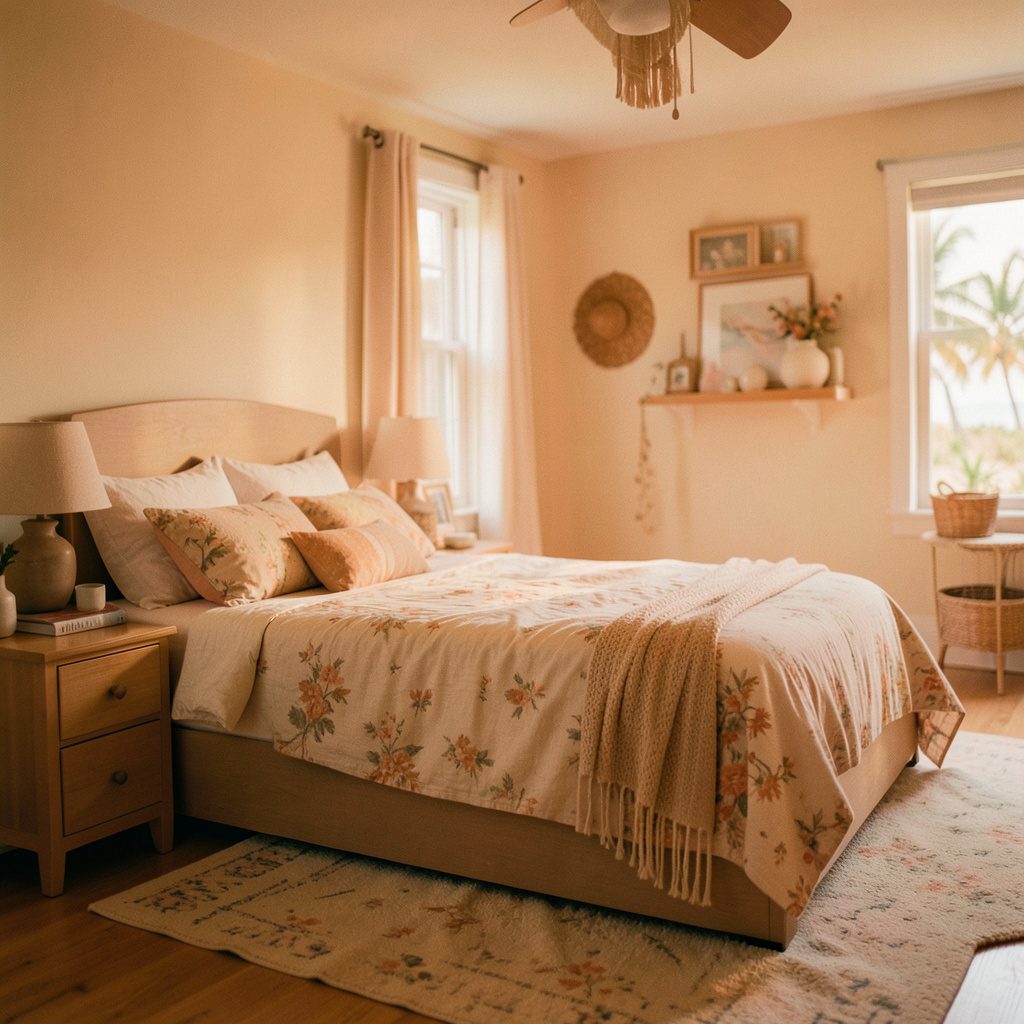
In a bedroom, place a narrow driftwood arrangement above the bed and repeat its texture through a woven pendant, linen bedding or a jute runner. Keep shell accents small so the room remains restful. A pale timber headboard, white curtains and one faded blue cushion can suggest the coast without competing with the wall display.
Living rooms can support larger compositions, such as a driftwood branch above a sideboard with ceramic vases and framed shell studies beneath it. In Melbourne apartments, where rooms may receive less intense coastal sunlight, warm timber and creamy textiles help maintain a welcoming atmosphere. Use low-glare finishes to prevent reflections on shell frames.
Bathrooms and covered verandas need extra care because humidity can affect untreated wood, adhesives and paper backing. Choose sealed materials, stainless-steel fixings and washable surfaces near showers or outdoor kitchens. In tropical northern Australia, allow airflow around wall art and avoid placing delicate shell pieces directly above a basin where they may receive repeated splashes.
Build A Balanced Gallery Arrangement
Before fixing anything, lay the pieces on the floor and photograph several arrangements. Start with the largest object, then add smaller frames, woven plates, mirrors or botanical prints around it. A loose asymmetrical layout often feels more natural than a rigid grid, although equal frame spacing can make a compact apartment wall appear orderly.
Aim to repeat each material at least twice. For example, pair a driftwood branch with a timber frame, then echo the shells in a small bowl or artwork. This creates cohesion without covering every surface in beach objects. Leave breathing room around the arrangement, particularly above furniture, so the wall remains easy to clean.
Think about scale from the doorway and from nearby seating. A collection that looks delicate close up may disappear across a large open-plan room. In a coastal home in Newcastle or Wollongong, a broad driftwood feature can hold its own against generous windows, while a small shell composition may be better suited to a narrow corridor or powder room.
Select pieces that carry a personal connection to the coast, whether they recall a family beach trip, a favourite surf break or the colours of a local shoreline. Combine them with reliable fixings and a little restraint, then let the natural forms provide the character. Explore Joebolte’s wider room ideas for ways to connect your coastal wall display with furniture, lighting and seasonal styling throughout the home.
Bring the arrangement together with clean lines, natural textures and enough empty space for every piece to be appreciated. A carefully prepared branch, a modest group of shells and one or two complementary textiles can transform an ordinary wall into a quiet reminder of the sea. Begin with the wall you see most often, test the layout on the floor, and install each element securely for a finish that feels relaxed, personal and distinctly coastal.