Apartment Wall-Mounted Desks For Space-Saving Home Offices
A wall-mounted desk can turn an overlooked corner into a practical home office without consuming the floor area needed for dining, entertaining or everyday movement. In compact Australian apartments, this approach suits open-plan living rooms, spare bedrooms, enclosed balconies and even the quiet end of a hallway.
The best designs balance a slim profile with proper working comfort. Whether you prefer a fold-down workstation, a floating timber shelf or a built-in desk with cupboards, careful planning will help the office feel like part of the home rather than an afterthought.
Choose The Right Wall
Begin by identifying a wall that receives enough daylight but does not create glare on a screen. A living room wall near a window can work well, while a bedroom corner may offer better privacy for video calls. In Sydney and Melbourne apartments, where every square metre matters, a desk positioned beside a wardrobe or bookcase can create a compact work zone without interrupting the main circulation path.
Check the wall construction before buying hardware. Plasterboard may require suitable anchors or fixing into studs, while brick and concrete walls need masonry bits and appropriate screws. Renters should also review their lease before drilling. A freestanding support unit, removable shelving system or fold-down desk with limited fixings may be a safer alternative.
Measure For Everyday Comfort
A useful desk depth is generally around 50 to 60 centimetres, giving enough space for a laptop, notebook and desk lamp. If you use a monitor, keyboard or drawing tablet, allow extra depth or consider a monitor arm that keeps the work surface clear. The desktop should be wide enough to avoid a cramped feeling, even if it only serves one person.
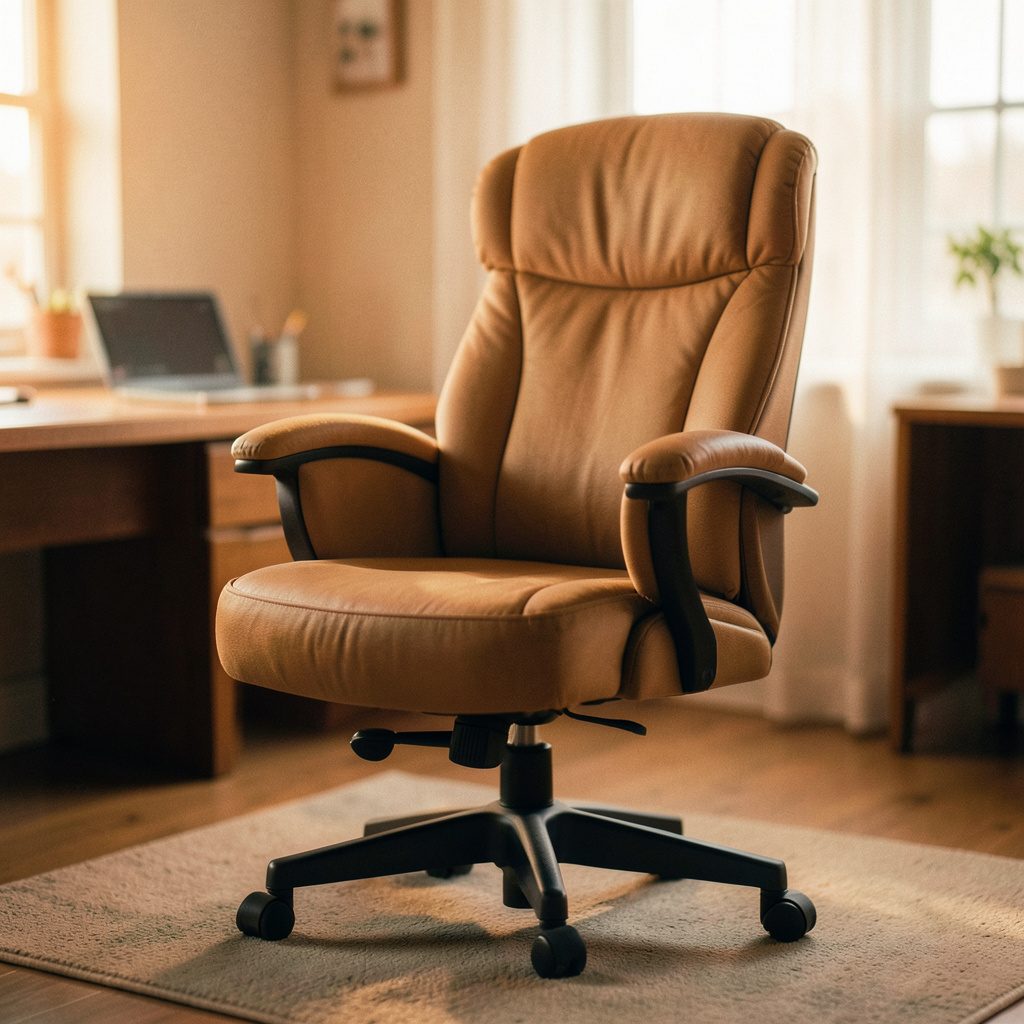
Chair clearance deserves equal attention. Leave space for your knees beneath the desk and make sure the chair can pull back without blocking a doorway or balcony route. In a narrow apartment, a folding chair or compact upholstered dining chair can slide beneath the worktop when the office is closed.
Select A Style That Belongs
A floating timber desk brings warmth to minimalist interiors and pairs easily with white cabinetry, woven baskets and indoor plants. Light oak, ash and pale plywood can make a darker room appear brighter, while walnut-look finishes create a richer setting for a study nook. Curved corners are useful in busy walkways because they reduce sharp edges.
For a coastal apartment, consider white cabinetry, pale timber and brushed nickel details rather than overly themed décor. This combination echoes the relaxed character of beachside homes without making the room feel like a holiday rental. In Brisbane and other warm-climate cities, ventilated shelves and open storage can also feel lighter than a bank of closed cupboards.
A fold-down wall desk is ideal when the room must serve several purposes. It can close over stationery and cables, leaving a clean panel that blends with the wall. For a more permanent arrangement, pair a slim desk with overhead cupboards, pegboards or recessed shelves to create a cohesive home office wall.
Plan Storage And Cable Control
Small desks become frustrating when chargers, notebooks and paperwork have nowhere to go. Add a narrow drawer, wall-mounted file holder or shelf above the worktop for daily supplies. Closed storage keeps visual clutter under control, while one open shelf provides space for artwork, books or a small plant.
Cable management should be planned before the desk is installed. A cable tray beneath the surface can route leads towards a power point, and adhesive clips can keep charging cables within reach. If your apartment has NBN equipment or a router nearby, allow ventilation and avoid burying the devices inside a tightly closed cabinet.
Use storage vertically rather than extending the desk sideways. A pegboard is adaptable for headphones and stationery, while a slim rail system can hold baskets and notes. This approach preserves valuable floor space and makes the workstation easier to adjust as your routine changes.
Get Lighting And Ergonomics Right
Natural light is welcome, but direct sun can make screens difficult to read and increase heat near the desk. Position the workstation so daylight arrives from the side rather than directly behind or in front of the monitor. Blockout blinds or sheer curtains can help in bright northern-facing rooms, especially during hot Australian summers.
Add an adjustable task lamp with a warm-to-neutral light setting for evening work. The lamp should illuminate paperwork without reflecting across the screen. If the desk is in a bedroom, a wall light with a dimmer can provide a softer transition between working hours and bedtime.
Keep the top of the monitor close to eye level and position the keyboard so your shoulders can relax. A laptop stand and separate keyboard can make a major difference at a shallow workstation. If several people share the desk, an adjustable chair or monitor arm will make the space more versatile.
Use Unusual Apartment Zones
A wide hallway can accommodate a shallow floating desk if it does not narrow the required passage. The same idea works beneath a staircase, beside a living room window or at the end of a kitchen run. Measure carefully around skirting boards, switches and door swings before committing to the location.
An enclosed balcony can become an appealing study nook, but consider heat, glare and moisture before placing electronics there. Shade cloth, blinds and weather-resistant finishes may be needed. In a rental apartment, a compact desk on a slim console can deliver a similar effect without permanent alterations.
Balconies and courtyard edges can also benefit from a small amount of greenery around the work zone. If you are planning a more substantial planting arrangement, these ideas for a raised garden bed can help you think about using vertical boundaries efficiently. Keep plants far enough from electronics to avoid spills and allow adequate airflow.
Match The Desk To Your Budget
Australian retailers offer a broad range of compact office furniture, from flat-pack laminate units available at Bunnings and major furniture chains to custom joinery made for awkward walls. Flat-pack desks are useful for quick upgrades, while a cabinetmaker can conceal printers, paperwork and power points with a more seamless finish.
When comparing products, inspect the weight rating, mounting instructions and quality of the hinges. Fold-down desks need strong brackets and reliable hardware because repeated opening and closing places stress on the fixings. A solid desktop may feel more stable than a lightweight panel, but it requires stronger wall support.
Think about the desk as part of the room’s overall palette. Match its finish with nearby shelving, kitchen cabinetry or timber flooring rather than treating it as a separate office object. Artwork, a comfortable cushion and a small Australian native plant can soften the work area while keeping the apartment practical and personal.
Choose a wall, clear the measurements and decide whether your routine needs a fold-away surface or a dedicated workstation. With thoughtful storage, suitable lighting and secure installation, even a compact apartment can support focused work without sacrificing comfort or style.