Apartment decor tips to make a studio feel spacious
Studio apartments have become a defining feature of Australian urban life, particularly in dense pockets of Sydney and Melbourne where property prices push renters and buyers toward compact footprints. A well-designed studio can feel like a generous one-bedroom home when the right principles are applied, while a poorly planned one quickly becomes a cluttered box. The difference lies almost entirely in thoughtful decor and strategic choices that trick the eye and optimise every centimetre of available floor space.
Many Australians now embrace studio living by choice, not by necessity. Inner-city neighbourhoods like Surry Hills, Fitzroy, Brunswick and Fortitude Valley attract young professionals and downsizers who want walkable access to cafes, galleries and public transport. For these residents, the apartment is a base camp rather than a sprawling residence, which makes smart design even more valuable. Every piece of furniture and every decorative choice should earn its place.
The challenge of studio living is balancing function with personality. It is easy to fill a small space with practical pieces and end up with a room that feels more like a hotel than a home. The aim is to layer in warmth, texture and visual interest while maintaining the sense of openness that makes a studio feel comfortable in the first place. This balance is what separates a cramped flat from a curated retreat.
Whether you are setting up your first place in Brisbane, refreshing a long-term rental in Perth or moving into a new build in Adelaide, these apartment decor strategies are designed to help studios feel spacious, light and unmistakably yours.
Light palettes and colour choices
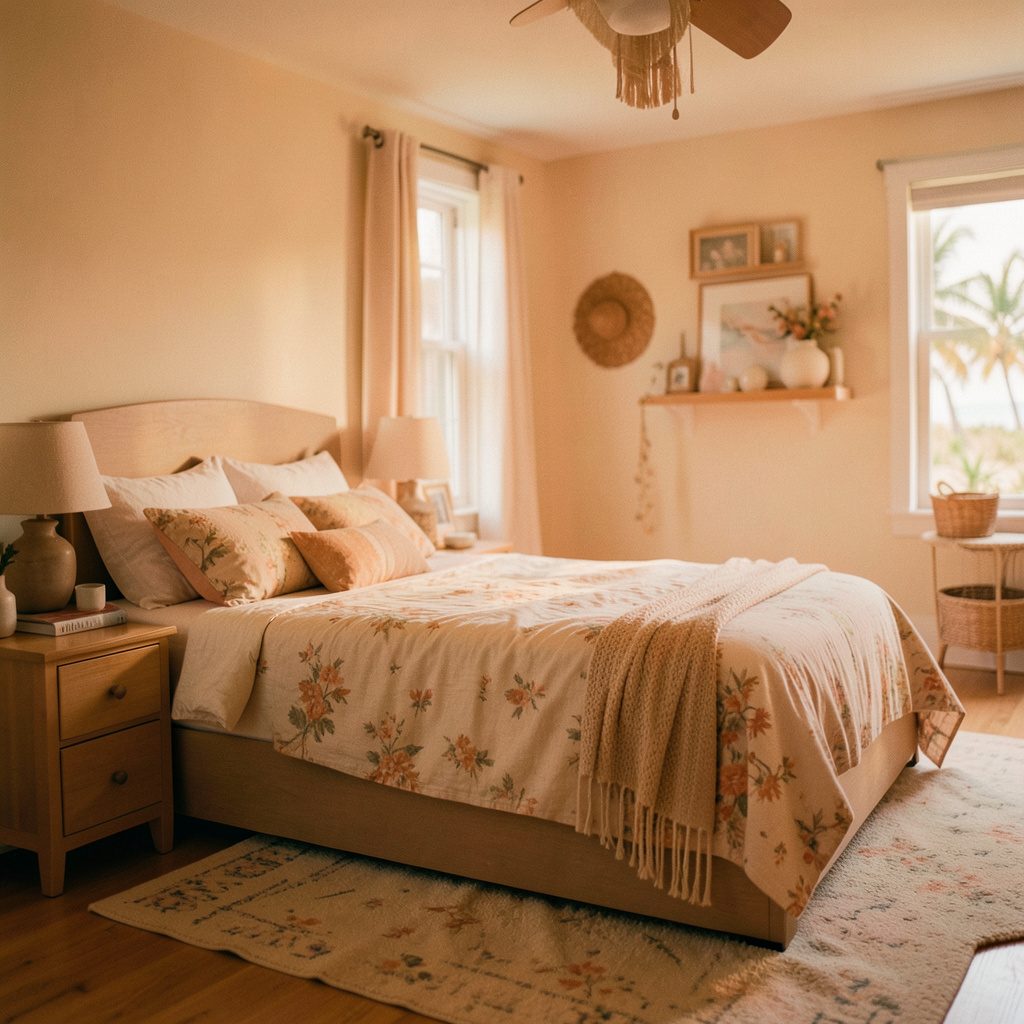
Colour is the single most powerful tool for shaping how large a room feels. Light, airy palettes bounce natural light around the space and visually push walls outward. In Australian studios, soft whites, gentle taupes, pale greys and warm sands create a calm base that works beautifully with the abundant sunlight streaming through east and north-facing windows. These hues also pair effortlessly with the coastal palettes many Australians gravitate toward, echoing the colours of Bondi, Byron Bay or the Mornington Peninsula.
While a monochrome scheme is the safest route to spaciousness, it can feel flat without variation. Consider using a tonal approach, layering three or four shades within the same family rather than mixing bold contrasts. A soft greige on the walls, a creamy white on the ceiling and slightly deeper mushroom tones on soft furnishings create depth without breaking the visual flow. Save deeper accent colours for smaller items such as cushions, artwork or a single feature chair, which can always be swapped when the mood changes.
Smart furniture for compact living
Multi-functional furniture is non-negotiable in a studio. Pieces that work double duty free up precious floor area and reduce visual clutter. A sofa bed handles daily lounging and occasional guests, an ottoman with internal storage hides blankets and laptops, and a drop-leaf table expands for dinner parties then tucks back against the wall. Australian retailers such as Freedom and IKEA offer ranges specifically designed for compact living, and their flat-pack sofas and extendable dining tables are staples in share houses from Newtown to Northcote.
Scale matters just as much as function. Oversized furniture will swallow a studio whole, while pieces that are too small feel disjointed. Aim for a sofa that allows at least 60 to 70 centimetres of walking space around it, and choose a coffee table with a slim profile or one that nests under a higher surface. Transparent materials such as acrylic stools and glass side tables also help furniture disappear visually, which keeps the room feeling open.
Defining zones without walls
One of the trickiest aspects of studio living is creating a sense of separation between sleeping, living and dining areas without building actual walls. Visual cues work remarkably well for this. A large area rug placed under the lounge suite instantly defines a living zone, while a different rug beneath the bed signals the sleeping area. Pair these with distinct lighting treatments, such as a pendant above the dining table and a floor lamp beside the bed, and the zones begin to feel like separate rooms.
Open shelving is another clever divider that maintains airflow and light. A tall, narrow bookcase turned sideways to face the bed creates a soft partition while still letting daylight filter through. Plants also do wonderful work here, with tall fiddle leaf figs or trailing pothos creating a leafy screen that softens the transition between spaces. For renters in Sydney and Melbourne apartments, freestanding solutions like these are particularly valuable because they leave no marks on the walls when it is time to move.
Vertical space and smart storage
When floor area is limited, walls become the most underused asset in the home. Floor-to-ceiling shelving draws the eye upward and creates the impression of taller ceilings, which is one of the simplest tricks for making a studio feel more generous. Install shelving above doorways, around windows and in any awkward nooks that would otherwise sit empty. Kmart and Bunnings Warehouse stock affordable floating shelves and bracket systems that work brilliantly in rental properties.
Storage should be built up rather than out wherever possible. Wall-mounted hooks replace bulky coat stands, hanging baskets corral fresh produce in the kitchen, and tall, narrow cabinets use the full height of the room without dominating it. In the bedroom zone, consider a bed frame with drawers underneath, or raise the mattress on a low platform to slide storage boxes beneath. The goal is to keep visible surfaces clear, because clutter is the fastest way to make a small space feel oppressive.
Mirrors, windows and natural light
Mirrors are a studio dweller's best friend. A large mirror placed opposite a window doubles the natural light entering the room and reflects the view, whether that is leafy streetscape, harbour glimpse or city skyline. Leaning a full-length mirror against a wall feels relaxed and contemporary, while mirrored wardrobe doors perform double duty as both storage and light amplifiers. Even a small cluster of round mirrors arranged as a gallery feature can lift a darker corner.
Window treatments also deserve careful thought. Heavy floor-to-ceiling curtains in dark fabrics can weigh down a small room, so consider sheer curtains paired with a simple roller blind for privacy. In Australian apartments where afternoon sun can be intense, light-filtering blinds help manage heat and glare while still allowing soft daylight through. Keeping window frames minimal and avoiding bulky valances ensures the eye travels uninterrupted to the outside view, which expands the perceived boundaries of the room.
Adding personality without clutter
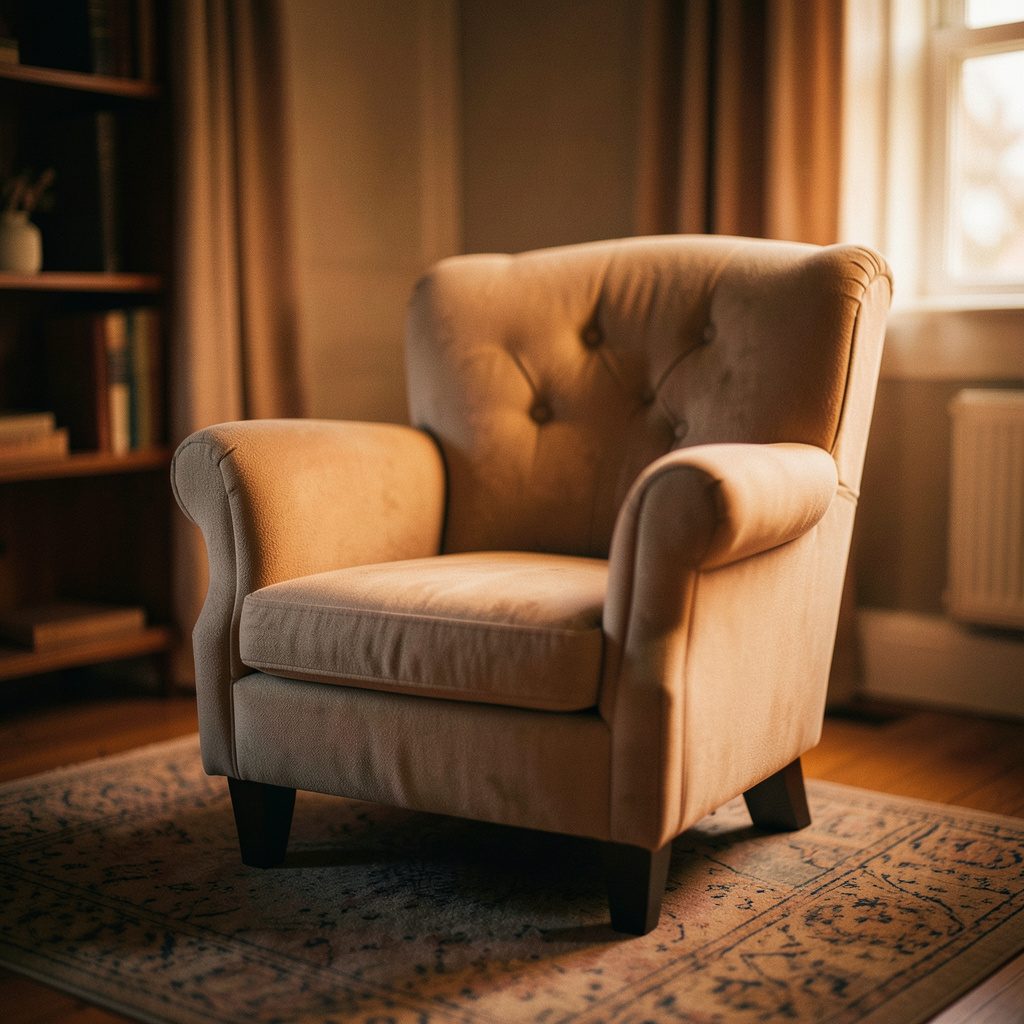
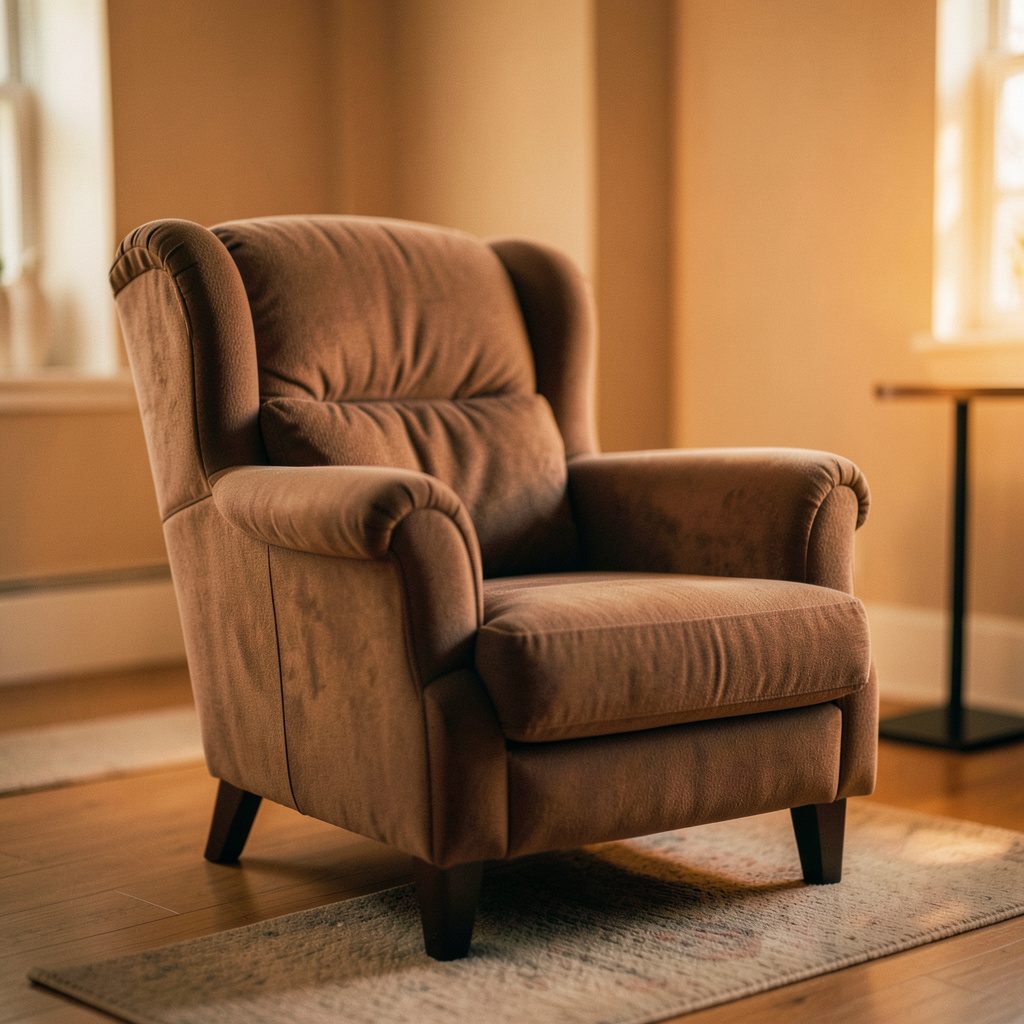
A studio should feel personal, not sterile. The trick is to layer in character through carefully chosen pieces rather than through volume. One large artwork above the sofa makes more impact than a gallery wall crowded with small frames. A statement armchair in a bold fabric becomes a focal point and saves the need for extra accessories. Textiles such as linen throws, woollen floor rugs and chunky knit cushions add warmth and texture, which are essential for softening the harder lines of built-in cabinetry and concrete ceilings common in newer apartment builds.
Greenery is another powerful element in Australian homes, where indoor-outdoor living is part of the national design vocabulary. Even one or two well-placed plants breathe life into a studio and improve air quality. A mature monstera in a corner, a trailing string of pearls on a high shelf, or a small herb garden on the kitchen windowsill all contribute to a sense of home. When the rest of the room is edited back to essentials, these living elements become the true expression of style.
For more inspiration on styling compact Australian apartments and browsing curated galleries of small-space interiors, head over to joebolte.com where dozens of room ideas, furniture guides and seasonal decorating tips are gathered in one place.